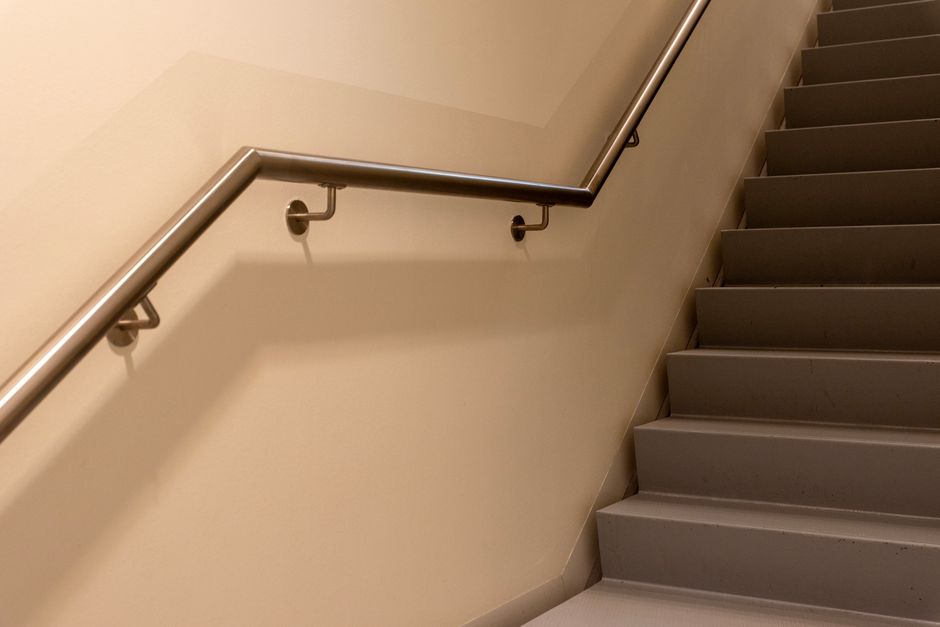
Cleaning access problems Finchley flats stairs lifts
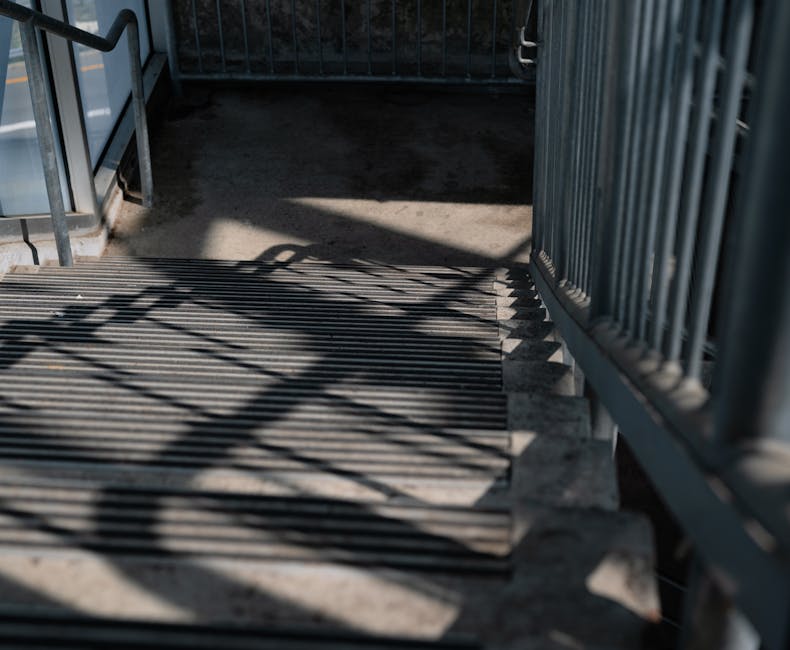
If you live in, manage, or clean flats in Finchley, you already know the awkward bit is not always the dirt. Sometimes the real issue is access: narrow stairwells, a lift that is out of service, a landing packed with buggies, or a top-floor flat with no easy place to park cleaning kit. Cleaning access problems Finchley flats stairs lifts is really about making the job possible, safe, and efficient without creating hassle for residents or building managers.
That sounds simple, but in practice it can be a bit messy. One blocked entrance, one slow lift, one missing key fob, and the whole schedule slides. This guide breaks down what these access problems look like, why they matter, and how to handle them properly in Finchley flats. You'll also find a practical checklist, a comparison table, and a few down-to-earth tips that help avoid those "we'll just have to come back tomorrow" moments. And yes, that gets old fast.
Why Cleaning access problems Finchley flats stairs lifts Matters
Access sounds like a small thing until it becomes the thing. In flat blocks, especially older Finchley properties, cleaners often have to work around shared entrances, tight staircases, lift restrictions, and residents who are coming and going at the same time. If access is poor, the clean tends to suffer. Corners are missed. Heavy equipment gets left behind. Time is wasted. People get frustrated.
For residents, the issue is not only convenience. It can affect hygiene, safety, and how the building feels overall. Stair rails, lift buttons, entrance mats, door handles, bin stores, and landings all collect grime quickly. If those common areas are not cleaned properly, the whole building starts to feel tired. A bit of dust in a stairwell, let's face it, can make the entire place look less cared for.
For cleaners, access problems can also change the risk profile. Carrying a vacuum up several flights, navigating a lift that barely fits the trolley, or working around wet floors in a narrow hallway all call for proper planning. In our experience, the difference between an awkward job and a smooth one is usually organisation, not luck.
That is why this topic matters to landlords, managing agents, block residents, tenants, and cleaning teams alike. Good access planning supports better results, reduces disruption, and makes repeat cleaning much more reliable.
How Cleaning access problems Finchley flats stairs lifts Works
At a practical level, solving access problems starts before anyone arrives on site. The cleaner or cleaning company needs to know how they will enter the building, which areas they can use, whether the lift is operational, where they can park or unload equipment, and whether there are any time restrictions. Simple enough on paper. In real life, one missing code or one locked service door can throw it all off.
Here's the usual flow:
- Pre-visit planning - confirm entry details, floor level, lift use, and any building rules.
- Risk check - identify tight stairs, low lighting, trip hazards, and shared access points.
- Equipment choice - pick lighter, compact tools if stairs or lifts are awkward.
- Timing coordination - avoid busy peak times when residents need the lift or hallway access.
- On-site adjustment - adapt the cleaning route if the lift is out or stairs are blocked.
- Post-clean review - note what worked, what delayed the job, and what should be changed next time.
The point is not to overcomplicate things. It is to remove avoidable friction. A cleaner who knows in advance that a lift is small, slow, or unreliable can bring a different kit and plan a different route. That tiny change often saves twenty minutes and a fair bit of stress.
In flat buildings, "access" usually means more than the front door. It includes the route through the block, the stairwell, shared corridors, service cupboards, and the practical space needed to work without blocking residents. If you have ever tried carrying a bucket, vacuum, mop, and cloths up three flights while someone politely says, "Sorry, I just need to get past," you will know exactly what this means.
Key Benefits and Practical Advantages
When access problems are managed properly, the benefits are easy to see. The clean is faster, safer, and more consistent. Residents are less inconvenienced. Building managers spend less time handling complaints. And the result generally looks better. Not glamorous, maybe, but very noticeable.
- Less disruption for residents because visits can be planned around lift use, quiet hours, and busy entry times.
- Better cleaning quality because the team can reach stair landings, ledges, and shared spaces without rushing.
- Lower risk of accidents through fewer trip hazards, better load handling, and safer movement in confined spaces.
- More efficient appointments because cleaners waste less time navigating access issues.
- Improved consistency from one visit to the next, even when the lift is not available.
- Clearer communication between residents, agents, and cleaners, which matters more than people think.
There is also a quieter benefit: trust. When people see that common spaces are looked after with care, they tend to respect them more. It is a small social thing, but it adds up. A tidy stairwell often stays tidier.
Practical takeaway: access planning is not just about "getting in." It is about making sure the cleaning actually works once someone is inside.
Who This Is For and When It Makes Sense
This kind of cleaning support is useful for a wide range of people in Finchley flats and apartment buildings.
- Residents who want regular help with stairs, entrances, shared halls, and lift areas.
- Landlords who need common spaces kept presentable between tenancies or throughout longer lets.
- Managing agents who deal with complaints about dirty landings, smudged lift panels, or neglected entrance areas.
- Block committees and leaseholders looking for a practical cleaner that fits building routines.
- Tenants moving in or out where access is often tight because furniture, boxes, and removal teams are all in play.
- Cleaning teams that need a realistic method for buildings with awkward layouts or limited lift access.
It makes particular sense when:
- the lift is small, shared, or unreliable
- stairwells are narrow, steep, or dimly lit
- there are security doors, fobs, or concierge steps to manage
- cleaning has to happen during resident movement times
- the property has multiple floors and common areas need regular upkeep
Truth be told, the more people use a building, the more access planning matters. A quiet block with one short staircase is one thing. A busy Finchley apartment building at 8:15 on a weekday morning is another story entirely.
Step-by-Step Guidance
If you are trying to organise cleaning where stairs or lifts complicate access, this is the most reliable approach.
1. Map the access route before the booking
Do not wait until arrival day. Confirm where the cleaner enters, where equipment can be left, whether the lift can be used, and whether stairs are the only route. If the route includes several doors or levels, write it down clearly. Sounds obvious, but it often gets skipped.
2. Decide what really needs cleaning
In flats, you may not need a full building clean every time. Sometimes the priority is the entrance, stair rails, shared corridors, lift interiors, and any touchpoints people use constantly. Focus on the high-contact areas first. Those are the places that make the biggest difference.
3. Match the kit to the building
A compact vacuum, lightweight mop system, microfibre cloths, and a manageable caddy are often better than a heavy, oversized setup. For high floors or awkward stair access, less bulk usually means better results. You do not want a cleaner fighting the trolley more than the dust.
4. Choose the right time slot
Plan around resident movement, rubbish collections, building deliveries, and lift maintenance windows where possible. Early mornings can be good for some buildings, while mid-morning may suit others. The "best" time depends on the block, not just the calendar.
5. Keep communication simple and specific
People respond well to plain instructions. "Use side entrance, call on arrival, lift may be unavailable, leave kit by ground-floor store" is much better than a vague message about access being "difficult." You want fewer assumptions, not more.
6. Build in a backup plan
If the lift fails or a door code changes, what happens next? A strong cleaning setup has a fallback route, a contact number, and a plan for what can be completed if the building changes on the day. That backup plan is boring until you need it. Then it's gold.
7. Review after the first visit
After the first clean, ask what slowed things down. Was the stairwell cluttered? Was the lift too small for equipment? Was there confusion at entry? Small operational notes help a lot on the next visit.
Expert Tips for Better Results
Here are the things that usually separate a decent clean from a good one in access-challenged flats.
- Keep the kit compact when the building layout is awkward. Big equipment can be impressive right up until it has to turn a narrow corner.
- Use a clear "top-down or bottom-up" route so dirt is not brought back over already cleaned areas.
- Prioritise touchpoints like handrails, door handles, lift buttons, intercom panels, and bin store doors.
- Dry floors quickly near stairs and lift entrances, because those areas become slip risks fast.
- Plan for resident flow and keep equipment tucked away from walkways. Nobody likes stepping round a mop bucket at 7:30 in the morning.
- Document access quirks after the first few visits so the job gets smoother over time.
One small but useful habit is to check the building at the same time of day you expect the cleaning to happen. You will notice different things. Morning lift traffic, post-work bin movements, and the sound of a door that sticks when the weather turns damp - those little details matter more than a generic checklist.
Another tip: do not treat every flat block the same. A Finchley conversion flat above a shop behaves differently from a purpose-built block with a managed entrance and lift. Same postcode, different reality.
Common Mistakes to Avoid
These are the problems that crop up again and again.
- Assuming lift access will be available without checking maintenance or key restrictions.
- Booking too tightly so there is no room for delays on stairs or at entry points.
- Using oversized equipment that makes stair access awkward and slow.
- Ignoring resident movement and then wondering why the cleaner keeps having to stop and move aside.
- Leaving wet floors too exposed near lift doors or landings.
- Not confirming contact details for someone who can solve access issues quickly.
- Focusing only on visible floors while forgetting rails, handles, and lift panels.
There is also a softer mistake: expecting the cleaner to "just manage" without giving them enough information. To be fair, a decent cleaner can adapt, but they cannot guess a locked service entrance or a missing fob. Not unless they have magical powers, and most of us don't.
If you are arranging cleaning for a block, a little operational honesty goes a long way. Say where access is awkward. Say which doors are temperamental. Say whether the lift is out of action sometimes. That honesty saves everyone a headache.
Tools, Resources and Recommendations
The right tools make access-heavy cleaning far less stressful. You do not need a huge amount of gear. You need the right gear.
- Compact vacuum cleaner for stairs, landings, and small lift areas.
- Microfibre cloths for lift panels, handrails, and door surfaces.
- Light mop system that is easy to carry between floors.
- Small caddy or shoulder bag instead of a bulky trolley if the stairs are narrow.
- Slip-resistant footwear for wet entryways and tiled communal areas.
- Entry/access notes with codes, contact names, and route instructions.
- Protective gloves where appropriate, especially when dealing with bins or heavily used shared spaces.
For service planning, it can also help to look at a provider's communal area cleaning approach if the main issue is shared halls, stairwells, and entrances. If you need a more intensive reset after building works, a deep cleaning visit may be more appropriate than a quick tidy-up. And for tenants or landlords dealing with moving day mess around stairs and lift lobbies, move-out cleaning can be a more practical fit than a standard domestic visit.
Where access is especially tricky, having a provider who understands insurance and safety and can explain their procedures clearly is reassuring. You want care, not drama. There is enough of that already in shared hallways.
Law, Compliance, Standards, or Best Practice
For flat blocks, access-led cleaning should be handled with sensible regard for safety, building rules, and shared-use etiquette. In the UK, that usually means following general health and safety duties, using equipment properly, and taking care not to create avoidable slip or trip hazards. If a building has its own access rules, those should be respected too.
Best practice usually includes:
- keeping routes clear for residents and emergency access
- minimising obstruction in stairwells, landings, and lift lobbies
- making wet cleaning areas visible until they are dry
- using equipment that can be handled safely on stairs
- confirming who is responsible for access permissions and keys
- reporting hazards such as broken lights, damaged handrails, or lift faults
It is also sensible to understand the cleaner's own procedures. A company that publishes its health and safety policy is showing how it approaches risk in shared spaces. Likewise, if your building or tenancy situation includes specific terms around access times or shared spaces, review the relevant terms and conditions carefully. That is rarely thrilling reading, but it does prevent misunderstandings later.
For residents and managers, the practical rule is simple: do not let cleaning make the building less safe while trying to make it cleaner. Staircases, lifts, and shared entrances should end up better than before, not merely wiped down and left risky. That is the standard worth aiming for.
Options, Methods, or Comparison Table
Different access situations call for different cleaning methods. Here is a simple comparison to help you choose the right approach.
| Method | Best for | Strengths | Limitations |
|---|---|---|---|
| Standard scheduled clean | Regularly maintained flats with workable stair or lift access | Predictable, cost-effective, easy to repeat | May not be enough if access is badly restricted or the building is heavily used |
| Communal area-focused clean | Stairwells, entrances, landings, and lift lobbies | Targets the spaces residents see and use most | Won't cover individual flats or heavy build-up deeper in the property |
| Deep clean | Buildings with heavy dirt, neglected areas, or post-works residue | More thorough, good for a reset | Takes longer and may need better access planning |
| Move-in or move-out clean | Tenancy changes, removals, and empty flats | Useful when stair access is the main route for bags and furniture | Needs coordination with movers and keys |
| One-off access-led clean | Awkward blocks, temporary lift outages, or short-notice issues | Flexible and responsive | May not suit long-term maintenance on its own |
If you are unsure which route fits your building, think about the frequency of use and the access constraints. A building with reliable lift access can usually stay on a simple regular schedule. A block with frequent lift downtime often needs more adaptable planning, even if the cleaning task itself is not especially large.
Case Study or Real-World Example
Here's a very typical Finchley-style scenario. A resident in a three-storey block wants the shared stairwell cleaned every fortnight. On paper, straightforward. In reality, the lift is small, the stairs are narrow, and the entrance door is often held open by deliveries. The cleaner arrives once and spends the first ten minutes waiting for a neighbour to move a buggy. Not ideal.
The fix was not complicated. The building manager agreed a cleaning window just after the morning rush. The cleaner switched to a lighter kit bag instead of a full trolley. The team started at the top floor and worked down, wiping rails and lift buttons on the way. They also left a simple note about keeping the landing clear during the visit. The result was better, and the building felt calmer. Funny how that works.
Nothing magical happened. No fancy system. Just better coordination, better timing, and equipment that matched the space. That is usually the real story behind successful cleaning access management in flats: the practical bits done properly, consistently.
One small detail made a difference too. The cleaner took a minute to note that the lift door closed slowly in warm weather. That tiny observation helped the next visit go smoother, because the team already knew not to rush that area. Tiny, but useful.
Practical Checklist
Use this checklist before arranging or carrying out cleaning in Finchley flats with stairs or lift access issues.
- Confirm the exact entrance and any codes, keys, or fobs needed.
- Check whether the lift is available, small, or likely to be out of use.
- Identify the staircase route and any narrow or slippery sections.
- Agree the best cleaning time to avoid peak resident traffic.
- Decide which shared spaces are included: stairs, landings, lift, entrance, bin store.
- Prepare compact equipment if access is tight.
- Make sure wet-floor areas can be left safely until dry.
- Keep a contact number for access issues on the day.
- Check for hazards such as poor lighting, clutter, broken steps, or damaged handrails.
- Review what went well after the first visit and adjust the plan.
Quick reminder: the clean is only as good as the access plan behind it.
If you are still weighing up the right service for a flat block, entrance area, or awkward stair-and-lift setup, start with a provider that can talk plainly about timing, access, and safety rather than just price. That conversation alone usually tells you a lot.
Get a free quote today and see how much you can save.
Conclusion
Cleaning access problems in Finchley flats are rarely dramatic, but they are real. A locked door, a cramped stairwell, or a lift that decides to have a bad day can slow everything down and make a simple job feel much bigger than it should. The good news is that most of these issues can be handled with clear planning, the right equipment, and decent communication.
If you remember only one thing, make it this: access is not a side issue. It is part of the cleaning itself. When the route, timing, and shared-space rules are handled properly, the whole building benefits. The clean is better, the residents are happier, and the day runs smoother. Not bad for something that starts with a door code and a staircase.
And if a building feels tricky, that is okay. Most do at first. The aim is not perfection. It is a cleaner, safer space that feels looked after, one visit at a time.
Frequently Asked Questions
What does cleaning access problems in Finchley flats usually mean?
It usually refers to the practical barriers that make flat cleaning harder: narrow stairs, unreliable lifts, locked entrances, shared hallways, or restricted entry times. In other words, the job is not the dirt itself, but getting to the dirt safely and efficiently.
Can a cleaner work in a block if the lift is out of service?
Yes, often they can, but the plan may need adjusting. A cleaner may use stairs, bring lighter equipment, or focus on the areas that are practical to reach safely. If the building is high or access is very tight, the cleaning schedule may need to change.
How do I prepare a Finchley flat block for cleaning?
Confirm entry details, remove temporary clutter from the route, let residents know the time window, and make sure the cleaner knows whether stairs or lifts will be available. Good preparation saves time and reduces disruption.
Is communal stair cleaning different from cleaning individual flats?
Yes. Communal stair cleaning focuses on shared areas such as landings, railings, lift lobbies, and entrances. Individual flat cleaning is more private and often includes rooms, kitchens, and bathrooms. The access rules and timing are usually different too.
What should I do if residents keep blocking the stairwell?
It helps to set a clear building rule or cleaning notice, even if it is just a simple reminder. Buggies, parcels, and bikes can quickly turn a stairwell into an obstacle course. A polite but firm routine usually works better than repeated ad hoc requests.
Are there safety concerns with cleaning stairs in flats?
Yes. Stairs can create trip and slip risks, especially if wet floors are left exposed or equipment is left in walkways. Good practice is to keep routes clear, dry surfaces promptly, and use equipment that can be handled safely on stairs.
How often should shared areas be cleaned in flat buildings?
That depends on the amount of foot traffic, the number of residents, and how quickly the areas get dirty. Busy blocks generally need more frequent cleaning than smaller or quieter ones. The right frequency is the one that keeps the building looking and feeling cared for.
What if the access code changes at the last minute?
That is one of those annoying but common issues. The best response is to keep a backup contact and confirm codes before each visit where possible. A short message in advance can prevent a wasted journey.
Do I need a special type of cleaning service for lift areas?
Not always special, but definitely specific. Lift areas need attention to buttons, mirrors, panels, floors, and door tracks. A provider experienced with communal spaces will usually handle them more efficiently than a general rush job.
Can access problems affect cleaning costs?
They can. If a job takes longer because of stairs, restricted lift access, or difficult entry arrangements, the service may need more time or a different setup. The fairest approach is to discuss access openly before the booking so expectations are clear.
What is the best way to avoid repeat access issues?
Keep a simple access record: entry method, best time of day, lift notes, contact details, and any building quirks. A few good notes make the next visit much easier. Little things, really, but they save a lot of back and forth.
When should I choose a deep clean instead of a regular clean?
If the building has built-up dirt, neglected stairwells, or residue from works or moving activity, a deep clean is usually the better starting point. After that, regular cleaning is easier to maintain. It is often best to reset once, then keep it steady.