Sofa Cleaning in: Keep Your Upholstery Fresh, Healthy, and Long-Lasting
Sofa cleaning in modern homes is no longer a luxury service; it is an essential part of maintaining a healthy, comfortable, and visually appealing living space. Your sofa is one of the most used pieces of furniture in the house. It handles daily lounging, family movie nights, snacks, pets, spills, dust, and constant body oils. Over time, even the best-looking couch can start to feel dull, smell stale, or trap allergens. That is why regular sofa cleaning matters so much. It helps preserve the fabric, improves indoor air quality, and extends the life of the furniture you rely on every day.
When people search for sofa cleaning in, they are usually looking for a practical way to restore freshness without damaging delicate upholstery. The good news is that the right approach can make a dramatic difference. Whether you have a fabric couch, microfiber sectional, leather loveseat, or a luxury upholstered piece, the correct cleaning methods can remove embedded dirt and revive its appearance. A clean sofa can instantly make a room feel brighter, more inviting, and better cared for.
In this article, we will explore how sofa cleaning works, why it is important, what methods are best for different materials, and how to maintain your furniture between professional cleanings. If you want your living room to look and feel cleaner, fresher, and more comfortable, keep reading and discover the smartest way to approach sofa cleaning in your home.
Why Sofa Cleaning Matters More Than Most People Realize
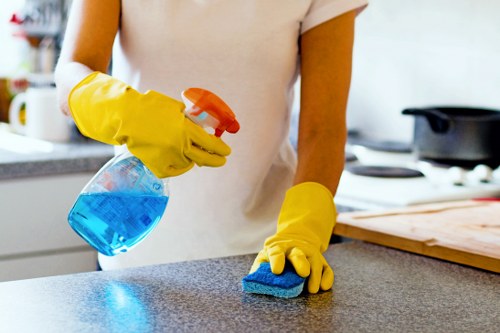
A sofa is more than a decorative item. It is a high-contact surface that collects a surprising amount of dirt, dust, skin cells, pet dander, crumbs, and airborne pollutants. Because upholstery fibers naturally trap particles, a couch can become a hidden source of odors and allergens. Sofa cleaning in a regular routine helps reduce this buildup before it becomes visible or causes discomfort.
Many households focus on vacuuming floors and wiping down counters but forget that upholstered furniture requires similar attention. Unlike hard surfaces, fabric and cushioning absorb spills and odors. Over time, this can lead to discoloration, musty smells, and a worn-out look. Consistent sofa cleaning keeps the fabric looking newer for longer and helps prevent permanent staining.
There is also a hygiene benefit. If children, pets, or guests frequently use the couch, bacteria and germs can spread across the surface. Proper upholstery cleaning can help reduce the buildup of unwanted contaminants, making your home feel cleaner overall. For anyone with allergies, asthma, or sensitivity to dust, sofa cleaning can be especially helpful.
Common Signs Your Sofa Needs Cleaning
Some people wait until a stain becomes obvious before thinking about cleaning. However, there are several signs that indicate your sofa may already need attention. Recognizing these signals early can prevent damage and save you from more difficult restoration work later.
One of the first signs is a dull or faded appearance. If your sofa used to look vibrant but now appears lifeless, dirt and oils are likely embedded in the fibers. Another common indicator is odor. A couch that smells musty, sour, or like old food usually needs deeper upholstery treatment.
Other warning signs include visible stains, darkened armrests, pet hair that keeps returning, increased sneezing when sitting on the sofa, and fabric that feels sticky or rough. If you notice these issues, it may be time for a more thorough sofa cleaning in your home or from a trusted professional service.
Watch for these common issues
- Lingering odors after regular vacuuming
- Discoloration on armrests or headrest areas
- Crumbs or dust trapped deep in cushions
- Spots from drinks, food, or body oils
- Pet dander or visible hair buildup
- Allergy symptoms that worsen indoors
Different Sofa Materials Need Different Cleaning Approaches

Not every sofa can be cleaned the same way. Fabric type, dye stability, padding, and construction all influence which methods are safe. Using the wrong product or too much moisture can damage upholstery, leave rings, or cause shrinkage. That is why it is important to understand the material before beginning any sofa cleaning process.
Cotton and linen sofas often need gentle, controlled cleaning because these natural fibers can absorb moisture quickly. Microfiber is more forgiving, but it can still show water marks if not cleaned correctly. Synthetic blends are usually easier to maintain, but they still benefit from regular deep cleaning. Leather sofas require special conditioning and low-moisture methods to avoid drying and cracking.
Before starting, check the manufacturer’s cleaning code if available. These codes typically indicate whether the fabric can be cleaned with water-based products, solvent-based cleaners, or only professional methods. Knowing this upfront can help you avoid expensive mistakes and choose the best sofa cleaning in solution for your furniture.
Common upholstery cleaning codes
- W – Water-based cleaner is safe
- S – Solvent-based cleaner only
- WS – Water or solvent may be used
- X – Vacuum only; professional cleaning recommended
Professional Sofa Cleaning vs. DIY Methods
Homeowners often wonder whether they should clean the sofa themselves or hire a professional. Both approaches can work well depending on the condition of the upholstery, the fabric type, and the level of soiling. DIY cleaning can help with routine maintenance, while professional upholstery cleaning is usually better for deep stains, odor removal, and delicate materials.
With DIY methods, you can vacuum, spot clean, and freshen the surface between appointments. This is especially useful for minor spills and everyday dust. However, using the wrong detergent, scrubbing too hard, or over-wetting the fabric can make the problem worse. In some cases, stains can spread deeper into the padding.
Professional sofa cleaning in services often use specialized equipment and upholstery-safe solutions that lift dirt more effectively. Steam extraction, low-moisture cleaning, and fabric-specific treatments can deliver a deeper clean and faster drying time. If your sofa has heavy staining, pet odors, or years of buildup, a professional cleaner may be the best choice.
When professional cleaning is a smart choice
- The sofa has deep-set stains or odors
- The fabric is delicate or labeled X
- There is mold, mildew, or water damage
- The couch has not been cleaned in over a year
- Pets or children use the furniture daily
Step-by-Step Sofa Cleaning Process

A successful sofa cleaning process should always begin with preparation. Remove cushions if possible, check cleaning labels, and vacuum the entire surface thoroughly. Use a brush attachment to reach crevices, seams, and corners where dust and crumbs often gather. This step helps remove loose debris before any liquid cleaning is applied.
Next, identify stains and treat them one by one. Spot testing is essential, especially for fabric that may react unpredictably. Apply a small amount of cleaner to an inconspicuous area and wait to see if there is any discoloration or texture change. If the test area looks fine, continue with the rest of the sofa using careful, controlled motions.
After stain treatment, clean the full surface using a method suited to the upholstery type. For water-safe fabrics, a mild solution and lightly damp microfiber cloth may be enough for surface cleaning. For deeper cleaning, extraction machines or professional-grade equipment can flush out embedded dirt. Finish by allowing the sofa to dry completely in a well-ventilated room before using it again.
Typical cleaning sequence
- Vacuum thoroughly
- Check labels and fabric type
- Spot test any cleaning solution
- Treat stains individually
- Clean the entire sofa evenly
- Dry completely before use
Best Practices for Removing Common Sofa Stains
Stain removal is one of the most frustrating parts of upholstery care. The key is to act quickly, use the right product, and avoid rubbing aggressively. Rubbing can push the stain deeper into the fibers and enlarge the affected area. Instead, blot gently and work from the outside of the stain inward.
Food stains often respond well to mild soap and water, especially when treated promptly. Drink spills may require absorbent towels first, followed by a fabric-safe cleaner. Grease stains are more challenging because oil repels water, so a suitable degreasing upholstery product may be necessary. Pet stains can be especially tricky because they often leave both a visual mark and a lingering odor.
For stubborn spots, it is often better to repeat a gentle treatment than to use an overly harsh product once. Patience matters in sofa cleaning. A careful method protects the fabric while still delivering visible improvement. If a stain has already set into the upholstery for a long time, professional stain removal may be the safest option.
Helpful stain-removal tips
- Blot, do not rub
- Use minimal moisture
- Test products before full application
- Work from the outside of the stain inward
- Dry the area completely after treatment
How Sofa Cleaning Supports a Healthier Home

Many people think of sofa cleaning as purely cosmetic, but it also has meaningful health benefits. Upholstered furniture can harbor allergens such as dust mites, pet dander, pollen, and dead skin cells. When someone sits down, these particles can be disturbed and released into the air. Regular sofa cleaning in a home can help reduce this cycle and improve the overall freshness of the space.
For households with allergy sufferers, clean upholstery can make a noticeable difference. Removing trapped allergens may help reduce sneezing, irritation, and respiratory discomfort. This is especially important in homes where the sofa is used every day for long periods. A clean couch contributes to better indoor air quality and a more comfortable living environment.
There is also a psychological benefit. A tidy, fresh-smelling sofa can make a room feel more organized and inviting. People naturally relax more easily in a space that appears cared for. That is why sofa cleaning is often part of a larger home maintenance routine that supports both physical comfort and mental well-being.
Health-related advantages
- Reduces allergens trapped in upholstery
- Helps remove dust mites and dander
- Improves indoor air quality
- Minimizes lingering odors
- Creates a more comfortable living space
How Often Should You Clean Your Sofa?
The ideal cleaning schedule depends on how much your sofa is used and who lives in your home. In general, vacuuming should be done weekly or at least every two weeks. This regular maintenance helps prevent dirt from settling deep into the upholstery. Spot cleaning should happen as soon as spills occur, while deeper sofa cleaning in a professional or DIY capacity can be scheduled a few times each year.
If you have pets, children, or frequent guests, you may need more frequent attention. High-traffic homes tend to accumulate dirt much faster, and odors may build up in cushions and seams. On the other hand, a rarely used formal sitting room may only need occasional maintenance. The key is to stay consistent rather than waiting until the sofa looks visibly dirty.
A practical rule is to vacuum weekly, treat spots immediately, and plan a deep clean every six to twelve months. Leather may need conditioning on a different schedule, while certain delicate fabrics may require expert care more often. By staying proactive, you can prevent heavy buildup and reduce the need for intensive restoration later.
Suggested maintenance schedule
- Weekly: vacuum cushions, seams, and crevices
- As needed: blot spills and treat stains immediately
- Every 6 months: deep clean high-use sofas
- Every 12 months: schedule professional upholstery cleaning
DIY Sofa Cleaning Tips That Actually Work
Simple at-home maintenance can go a long way if done correctly. One of the most effective DIY habits is regular vacuuming with an upholstery attachment. This removes loose dirt before it becomes embedded. Another useful practice is rotating and flipping cushions when possible so wear is spread more evenly across the sofa.
For odor control, baking soda is often used on fabric sofas. Lightly sprinkle it on the upholstery, let it sit for a period of time, and then vacuum it up. This can help absorb mild smells. Still, it is important not to overload the fabric with powders or cleaning liquids. Too much product can leave residue and attract even more dirt.
When using any homemade solution, keep it gentle. A mixture that is too strong may strip color or leave water marks. Always remember that safe upholstery maintenance is about control, not force. If you are unsure, start with the least aggressive method and gradually increase only if necessary.
- Vacuum seams and under cushions regularly
- Use a lint roller for pet hair
- Rotate cushions to prevent uneven wear
- Address spills immediately
- Avoid soaking the fabric
Why Steam Cleaning Is Popular for Sofa Cleaning in
Steam cleaning is a popular method because it can penetrate deeper than surface wiping and help loosen embedded dirt. When done correctly, it can be highly effective for fabric upholstery. The heat and moisture work together to break down grime, which is then extracted from the sofa. This makes steam cleaning a strong option for many households seeking a more thorough sofa cleaning in solution.
That said, steam cleaning is not suitable for every material. Some fabrics are too delicate, and excessive heat can cause damage or shrinkage. Leather should generally not be steam cleaned unless specifically recommended by the manufacturer or performed by a trained professional using appropriate low-moisture methods. This is why understanding your sofa’s material remains so important.
When used on compatible upholstery, steam cleaning can help refresh the appearance of the fabric, reduce odors, and lift a surprising amount of hidden debris. It is especially helpful for families with pets or children because it provides a deeper clean without relying on overly harsh chemicals. For many homeowners, it is one of the most effective ways to rejuvenate a tired couch.
How to Protect Your Sofa After Cleaning
Cleaning is only half the job. Protecting your sofa afterward helps maintain the results for longer. One simple way to do this is by keeping food and drinks away from the couch whenever possible. Even a small spill can undo the benefits of a recent upholstery cleaning. Encouraging house rules around clean furniture can make maintenance much easier.
Fabric protectors may also be worth considering if they are suitable for your sofa material. These products create a barrier that helps repel spills and make future cleaning easier. Similarly, using throw blankets or washable covers in high-use areas can reduce wear. If you have pets, training them to use a designated blanket or pet bed can also help preserve the sofa.
Routine maintenance is the final piece. A freshly cleaned sofa will stay in good condition longer if you vacuum regularly, handle spills quickly, and avoid exposing the fabric to too much direct sunlight. Over time, these habits can preserve both the look and comfort of your furniture.
Post-cleaning protection ideas
- Use removable covers or throws
- Avoid eating on the couch when possible
- Keep pets off delicate upholstery
- Store cleaning supplies for quick spill response
- Limit direct sun exposure to prevent fading
Choosing the Right Sofa Cleaning Service
If you decide that professional help is the best route, choosing the right service is essential. Look for a company that understands upholstery types, uses fabric-safe products, and offers methods tailored to your sofa’s condition. A trusted cleaning provider should be able to explain their process clearly and recommend the most suitable treatment for your furniture.
Experience matters, especially when dealing with delicate fabrics or expensive furniture. A reliable professional will inspect the sofa before beginning and identify any problem areas that may require special care. They should also be able to discuss drying times, stain expectations, and maintenance recommendations after the service is complete.
Ultimately, the best sofa cleaning in provider is one that combines expertise, attention to detail, and respect for your upholstery. Whether your main concern is odor, pet hair, stains, or general freshness, a quality service can help restore comfort and appearance while protecting the fabric from unnecessary wear.
Ready to refresh your living space? Contact us today to learn more about professional upholstery care and book your service now for a cleaner, fresher sofa that looks great in any room.
Final Thoughts on Sofa Cleaning in Everyday Life
Sofa cleaning in the modern home is about more than removing visible dirt. It supports hygiene, comfort, style, and long-term furniture care. A clean sofa helps your home feel more welcoming and can make everyday relaxation more enjoyable. Whether you handle basic maintenance yourself or rely on professional upholstery cleaning, the key is consistency.
By understanding your fabric, treating spills quickly, and staying on top of routine care, you can preserve the look and feel of your sofa for years. Deep cleaning when needed will not only improve appearance but also help reduce allergens and odors. That combination of beauty and practicality is what makes sofa cleaning such an important part of home maintenance.
If your couch has started to look tired, smell stale, or hold onto stains, now is the perfect time to act. A carefully cleaned sofa can transform the entire atmosphere of a room. Take the next step, prioritize your upholstery, and enjoy the comfort of furniture that feels as good as it looks.