Rug Cleaning in Modern Homes: How to Keep Every Fiber Fresh, Clean, and Long-Lasting
Why Rug Cleaning Matters for Every Home
Rugs do more than cover a floor. They add warmth, reduce noise, define spaces, and bring personality into a room. But they also act like magnets for dust, dirt, pet hair, pollen, spills, and everyday debris. That is why rug cleaning is not just about appearance; it is about preserving comfort, hygiene, and the value of your investment.
Many homeowners underestimate how much dirt a rug can trap over time. Even if a rug looks clean on the surface, particles can settle deep into the fibers, affecting indoor air quality and causing premature wear. Regular rug cleaning helps remove hidden contaminants before they become a bigger problem.
Whether you own a delicate hand-knotted rug, a durable synthetic area rug, or a high-pile shag piece, proper care matters. The right rug cleaning approach can revive colors, restore texture, and extend the life of your rug for years.
Understanding Different Types of Rugs
Not every rug should be treated the same way. The fibers, construction, dyes, and backing all influence the best cleaning method. Before starting any rug cleaning process, it helps to identify what kind of rug you have.
Common rug materials
- Wool rugs – soft, durable, and naturally stain-resistant, but sensitive to harsh chemicals.
- Cotton rugs – lightweight and washable, though they may shrink if cleaned incorrectly.
- Synthetic rugs – made from materials like polypropylene or nylon; often easier to maintain.
- Silk rugs – delicate, luxurious, and highly sensitive to moisture and heat.
- Jute and sisal rugs – natural fiber rugs that can be damaged by excessive water.
Each material reacts differently to water, detergent, agitation, and drying. That is why a successful rug cleaning routine always begins with material awareness. Using the wrong method can dull colors, weaken fibers, or cause lasting damage.
Signs Your Rug Needs Cleaning
Some rugs clearly show visible stains, but others need attention long before a spill appears. A strong odor, faded color, or increased sneezing indoors may all indicate that rug cleaning is overdue. If you have pets or children, the need may be even more frequent.
Look out for these warning signs:
- Dust or debris appears after vacuuming.
- The rug feels sticky or dull underfoot.
- There are visible spots, traffic lanes, or discoloration.
- Odors linger even after airing out the room.
- Allergy symptoms seem worse when you are near the rug.
If one or more of these issues are present, it may be time to schedule professional rug cleaning or begin a careful deep-cleaning routine at home. Acting early prevents stains from settling deeper and keeps the rug looking vibrant.
Benefits of Regular Rug Cleaning
Consistent rug maintenance offers more than cosmetic benefits. A well-maintained rug contributes to a cleaner, healthier, and more comfortable living space. In fact, regular rug cleaning can improve the entire atmosphere of a room.
Key benefits include:
- Better indoor air quality by removing dust and allergens trapped in fibers.
- Longer rug lifespan through reduced fiber wear and friction damage.
- Improved appearance with brighter colors and restored texture.
- Odor reduction by removing bacteria, moisture, and pet-related smells.
- Safer flooring with fewer embedded particles and less buildup.
When rug fibers stay clean, they maintain their structure longer. That means less flattening in high-traffic areas and less frequent replacement. In other words, routine rug cleaning is both a practical and financial win.
DIY Rug Cleaning vs. Professional Rug Cleaning
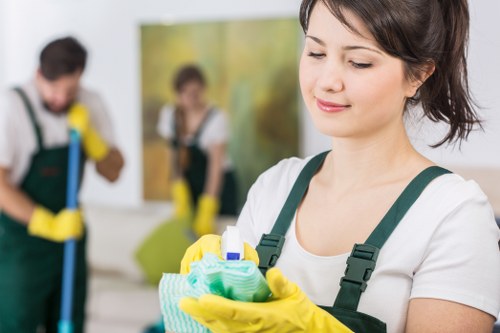
Many homeowners want to handle rug care themselves, and in some cases that is perfectly reasonable. Light maintenance, vacuuming, and spot treatment can often be done at home. However, deeper rug cleaning challenges may call for professional help.
When DIY cleaning works well
- Small, fresh spills
- Routine dust removal
- Light surface refreshes
- Machine-washable rugs
When professional cleaning is a better choice
- Delicate or antique rugs
- Persistent odors
- Deep stains or water damage
- Pet accidents
- Allergy concerns
Professional rug cleaning services often use specialized tools, controlled moisture, and fiber-safe solutions that home methods cannot match. If a rug is expensive, sentimental, or made from delicate fibers, professional care is often the safest path.
Step-by-Step Rug Cleaning at Home
For everyday maintenance, a structured at-home routine can make a major difference. The goal is to remove loose dirt, treat stains quickly, and avoid damage while supporting the results of deeper rug cleaning sessions.
1. Vacuum thoroughly
Start by vacuuming both sides of the rug if possible. This lifts surface debris and prevents grit from grinding into the fibers. Use a vacuum setting appropriate for the pile height so you do not snag or pull the material.
2. Test cleaning solutions first
Before applying any cleaner, test it on a hidden section. This is especially important for dyed or natural fiber rugs. A safe spot test protects you from color bleeding and texture changes during rug cleaning.
3. Blot, never rub
When dealing with spills, blot gently with a clean cloth. Rubbing can spread the stain and push it deeper into the rug. Work from the outer edge inward to keep the mark contained.
4. Use mild cleaners
For many rugs, a small amount of gentle dish soap mixed with water can help with light stains. Avoid strong bleach-based products unless the rug manufacturer specifically approves them.
5. Dry completely
Moisture left behind can lead to mildew, odor, or fiber damage. After rug cleaning, ensure the rug dries fully in a well-ventilated area before placing it back on the floor.
How to Remove Common Rug Stains
Accidents happen. Food spills, pet messes, ink, and mud are part of everyday life, especially in busy households. The good news is that many stains can be managed if you respond quickly and choose the right rug cleaning method.
Food and drink stains
For coffee, tea, juice, or sauce, blot up as much as possible first. Use cool water and a mild cleaner to lift the remaining residue. Avoid hot water at first because it can set some stains permanently.
Pet stains
Pet accidents need fast action. Remove solids carefully, blot moisture, and use an enzymatic cleaner designed to break down odor-causing compounds. For deeper contamination, professional rug cleaning is often necessary.
Mud stains
Let mud dry completely before vacuuming or gently brushing it out. Cleaning wet mud too soon can push it deeper into the fibers. Once dry, follow up with a light cleaning solution if needed.
Ink or dye stains
These are harder to remove. Dab carefully with a small amount of alcohol-based solution if the rug material allows it, but always spot-test first. Delicate rugs should be handled with extra caution.
Why Fiber-Safe Techniques Matter
A rug may look sturdy, but the fibers can be more fragile than they appear. Aggressive scrubbing, high heat, and too much water can distort the pile or weaken the backing. That is why every effective rug cleaning process should prioritize fiber safety.
Natural fibers such as wool, jute, and silk can absorb moisture differently from synthetics. Even cleaning products labeled as gentle can cause damage if used too heavily. The best results come from matching the method to the material, stain type, and construction.
Important: Always read the care label if available. When in doubt, choose the least invasive method first. This approach protects the rug’s value and appearance while still delivering a meaningful rug cleaning result.
Professional Rug Cleaning Methods Explained
Professional cleaning is not a single process. Experts may use several techniques depending on the rug’s condition and material. Understanding these methods can help you make better decisions about your next rug cleaning appointment.
Common professional methods
- Dusting – removes dry soil and embedded particles before washing.
- Immersion washing – deep-cleans many rugs with controlled water and specialized detergents.
- Low-moisture cleaning – useful for certain rugs when minimal water exposure is preferred.
- Spot treatment – targets specific stains without over-wetting the whole rug.
- Rinsing and controlled drying – removes residue and protects the rug from mildew.
Professional rug cleaning often includes inspection, stain identification, odor treatment, and fiber-safe drying. These steps help restore the rug without exposing it to unnecessary risk.
How Often Should You Clean Your Rug?
The ideal frequency depends on traffic, household size, pets, allergies, and rug material. A living room rug in a busy home may need more attention than a decorative rug in a low-traffic area. As a general rule, consistent rug cleaning keeps buildup under control.
Suggested cleaning schedule
- Vacuuming: 1 to 3 times per week
- Spot cleaning: immediately after spills
- Deep cleaning: every 6 to 12 months
- Professional service: annually or as needed for delicate rugs
Homes with pets or allergy sufferers may benefit from more frequent rug cleaning. Seasonal cleaning is also smart, especially after winter mud, spring pollen, or holiday entertaining.
Rug Cleaning Mistakes to Avoid
Even well-intentioned cleaning can go wrong if the wrong method is used. Avoiding common mistakes can save time, money, and frustration. It can also prevent long-term damage during rug cleaning.
Common mistakes
- Using too much water on delicate rugs
- Scrubbing stains aggressively
- Skipping spot tests before using a cleaner
- Leaving rugs damp for too long
- Using harsh chemicals on natural fibers
- Ignoring the rug backing and underlayer
Another mistake is waiting too long to act. Fresh spills are far easier to remove than older stains. Fast response often makes the difference between a minor touch-up and a difficult rug cleaning project.
Rug Cleaning for Allergy Relief and Better Indoor Air
Rugs can hold allergens like dust mites, pollen, pet dander, and mold spores if moisture is present. For sensitive households, routine rug cleaning can support a healthier indoor environment and reduce airborne irritants.
Vacuuming with a HEPA-equipped machine, keeping humidity under control, and scheduling deep cleaning all help lower allergen buildup. If someone in the home has asthma or seasonal allergies, cleaner rugs can make a noticeable difference in comfort.
Tip: Pair rug care with regular floor cleaning, airflow improvements, and shoe-free habits for better results. A cleaner rug works best as part of an overall home hygiene routine, not as a standalone solution.
Protecting High-Value and Delicate Rugs
Some rugs are simply too valuable to treat casually. Antique, handwoven, silk, or heirloom pieces deserve special attention. In these cases, rug cleaning should focus on preservation as much as appearance.
Store rugs properly when not in use, keep them away from direct sunlight, and rotate them periodically to distribute wear. If a rug shows damage such as fraying, fiber loss, or weakened edges, avoid deep DIY methods that could worsen the issue.
Professional cleaning and restoration can often help preserve these pieces. With the right care, a treasured rug can continue to add character and history to a home for many years.
Seasonal Rug Cleaning Tips
Different seasons bring different challenges. Mud in winter, pollen in spring, humidity in summer, and indoor traffic during fall all influence how often rug cleaning should happen.
Spring
Focus on pollen removal and freshening. A thorough vacuuming schedule can reduce allergens and brighten the rug after winter.
Summer
Watch for moisture buildup and odors, especially in humid climates. Drying thoroughly after any cleaning is essential.
Fall
Prepare for heavier indoor traffic as people spend more time inside. Routine cleaning helps manage leaves, dust, and dirt.
Winter
Salt, slush, and wet shoes can create stains quickly. Entryway rugs may need more frequent attention during this season.
How to Keep Rugs Cleaner for Longer
Good maintenance habits reduce the need for frequent deep rug cleaning. Small changes in daily life can go a long way toward preserving a rug’s appearance and performance.
- Use doormats at entrances to trap dirt before it reaches the rug.
- Rotate rugs every few months to balance wear and fading.
- Vacuum regularly with the right attachment.
- Address spills immediately instead of waiting.
- Keep food, drinks, and messy craft projects away from delicate rugs.
These habits help maintain color, texture, and structure. They also make each future rug cleaning session easier and more effective.
When to Book Professional Help
There comes a point when home care is not enough. If odors remain after cleaning, stains keep returning, or a rug has not been deep cleaned in years, it may be time to seek expert help. Professional rug cleaning can address problems that household tools cannot.
Book professional service if you notice:
- Persistent pet odors
- Water damage or mildew
- Visible wear in high-traffic zones
- Bleeding dyes or color distortion
- Delicate construction or antique value
Book your service now if your rug needs more than surface care. A timely appointment can save the rug from further damage and restore its original beauty.
Final Thoughts on Rug Cleaning
Rug care is one of the simplest ways to improve the look and feel of a home. Clean rugs brighten rooms, support better air quality, and last longer than neglected ones. With the right balance of routine maintenance and occasional deep rug cleaning, you can protect both beauty and function.
Remember that every rug is different. What works for a synthetic area rug may not work for a wool runner or silk heirloom. The best results come from understanding the material, acting quickly on spills, and choosing cleaning methods that respect the fiber.
If your rug needs extra attention, contact us today to take the next step toward a fresher, healthier space. Whether you manage routine care yourself or rely on professional help, consistent rug cleaning keeps your home looking its best.