End of Tenancy Cleaning: A Practical, SEO-Friendly Approach to a Stress-Free Move-Out
Why end of tenancy cleaning matters for tenants and landlords

End of tenancy cleaning is one of the most important tasks when a rental agreement is coming to an end. Whether you are a tenant preparing to move out or a landlord getting the property ready for new occupants, a proper end of tenancy cleaning can save time, reduce disputes, and help ensure the property is returned in excellent condition.
For tenants, the main goal is usually to secure a full deposit return. Most tenancy agreements require the property to be left at a professional standard of cleanliness, which means far more than a quick tidy-up. For landlords and letting agents, a thorough end of tenancy clean helps maintain property value, improve tenant satisfaction, and create a strong first impression for prospective renters.
In a competitive rental market, cleanliness matters. A spotless home does not just look better; it feels better, photographs better, and can even reduce the time a property spends vacant. That is why end of tenancy cleaning remains a high-priority service across apartments, houses, student lets, and managed rental properties.
What end of tenancy cleaning includes
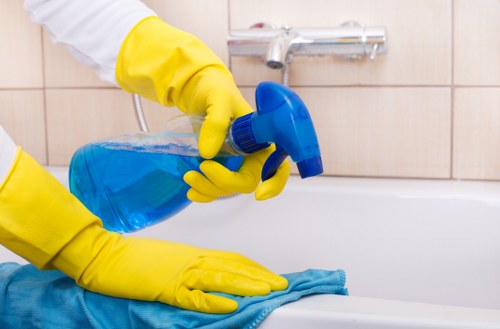
Many people assume moving out cleaning is the same as regular domestic cleaning, but it is usually much more detailed. A proper end of tenancy cleaning service focuses on restoring the property to a level that meets inspection standards. This often includes deep-cleaning kitchens, bathrooms, bedrooms, living areas, and all high-touch surfaces.
Typical tasks may include:
- Degreasing kitchen appliances and surfaces
- Cleaning inside ovens, microwaves, and extractor fans
- Scrubbing sinks, taps, tiles, showers, and toilets
- Removing dust from skirting boards, doors, and light switches
- Vacuuming and mopping floors throughout the property
- Cleaning windows, window sills, and frames
- Wiping cupboards inside and out
- Removing cobwebs, marks, and stains where possible
Depending on the property and contract, some end of tenancy cleaning checklists may also include carpet cleaning, upholstery cleaning, balcony cleaning, or garden tidying. Always review the inventory and tenancy agreement so you know exactly what is expected before check-out day.
Why professional cleaning is often the best choice
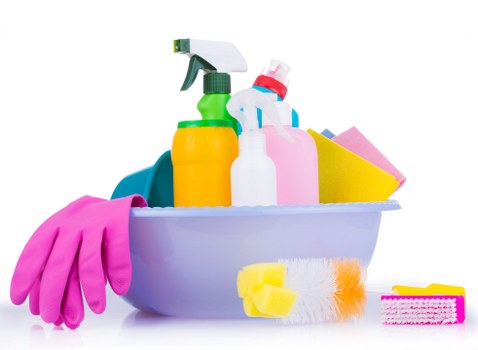
Although some tenants prefer to handle the job themselves, professional end of tenancy cleaning often delivers a better result in less time. Experienced cleaners know what landlords and agents look for during final inspections, and they bring specialist equipment, strong yet safe cleaning products, and an efficient process that covers every area systematically.
There are several advantages to hiring experts. First, professional cleaners can tackle stubborn grime, limescale, grease, and hidden dirt that is easy to miss during a DIY clean. Second, they can work faster and more thoroughly, especially in larger homes or properties with heavy use. Third, many cleaning companies provide an invoice or receipt, which can be useful if the landlord or agency requests proof that the property was professionally cleaned.
For busy tenants juggling packing, removals, utility transfers, and address updates, outsourcing end of tenancy cleaning can be a practical decision. It reduces stress and helps ensure nothing is forgotten. Book your service now if you want a cleaner, smoother move-out experience.
How to prepare for an end of tenancy clean

Good preparation makes the cleaning process more effective. Before any deep cleaning begins, remove personal belongings, rubbish, and unwanted items from the property. Cleaning around boxes and clutter wastes time and can hide dust or stains that need attention. A clear space allows the team to complete the end of tenancy cleaning properly.
It is also wise to check your tenancy inventory and the check-in report. These documents often show the condition of the property when you moved in, which helps you understand what needs to be restored. If carpets were already marked, for example, you may not be expected to remove old damage, but you may still need to ensure the area is professionally cleaned.
Before the service begins, consider these steps:
- Take down personal items, photos, and wall décor
- Empty cupboards, drawers, and storage spaces
- Defrost the fridge and freezer if required
- Disconnect and move small appliances where possible
- Report repair issues separately, as cleaning does not cover maintenance
Room-by-room end of tenancy cleaning checklist
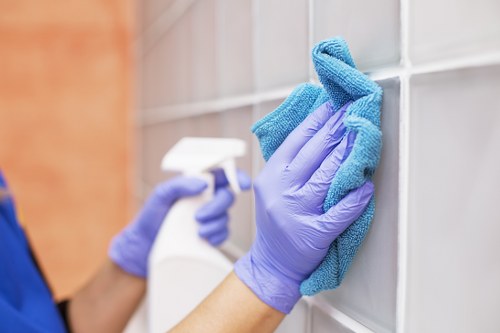
A structured checklist is one of the easiest ways to make sure nothing gets missed during end of tenancy cleaning. Each room has unique problem areas, and focusing on those details can improve the overall result significantly. The following room-by-room approach is useful for both tenants doing their own move-out cleaning and professionals carrying out the service.
Kitchen
The kitchen usually requires the most effort because grease and food residue build up over time. Appliances, cupboards, and hard-to-reach corners often need extra attention. The inside and outside of the oven should be cleaned, along with the hob, extractor hood, sink, and splashback areas. Fridges and freezers should be emptied, defrosted, and cleaned carefully.
Key kitchen tasks:
- Clean the oven, trays, and racks
- Remove limescale from taps and sinks
- Wipe cupboard shelves and doors
- Clean under and behind appliances where accessible
- Polish worktops and visible surfaces
Bathroom
Bathrooms need thorough sanitising because soap scum, mould, and mineral deposits can build up quickly. End of tenancy cleaning in the bathroom should include toilets, basins, baths, showers, mirrors, tiles, and all fixtures. Grout and sealant may need extra care depending on the level of staining.
Key bathroom tasks:
- Scrub the toilet inside and out
- Remove limescale from shower screens and taps
- Clean mirrors and glass surfaces
- Wipe tiles, grout, and sealant
- Sanitise sinks, baths, and shower trays
Bedrooms and living areas
These rooms often seem cleaner than kitchens and bathrooms, but dust accumulates in hidden places. Skirting boards, light fittings, wardrobes, windowsills, and behind furniture should be checked carefully. Floors should be vacuumed or mopped, and carpets should be treated if needed.
Key bedroom and living room tasks:
- Dust shelves, wardrobes, and furniture
- Clean windows, frames, and ledges
- Vacuum carpets and soft furnishings
- Remove marks from walls where possible
- Wipe switches, handles, and door surfaces
Common mistakes to avoid during end of tenancy cleaning
Even well-meaning tenants can make mistakes that lead to failed inspections or deposit deductions. One of the most common issues is underestimating how long end of tenancy cleaning takes. A rushed clean often leaves grease on appliances, dust on hidden surfaces, or soap residue in bathrooms. Taking your time or hiring professionals can prevent these problems.
Another frequent mistake is ignoring areas that are not immediately visible. Landlords and agents often inspect behind doors, along top shelves, under sinks, inside drawers, and on top of cabinets. If those spots are dirty, the overall cleaning standard may be considered insufficient. Deep cleaning is about detail, not just appearance.
A third issue is failing to match the inventory condition. If the property was professionally cleaned before you moved in, the landlord may expect it to be returned in a similar state. Always compare the current condition with the inventory notes, and do not assume that a quick surface clean will be enough.
More mistakes to avoid
- Leaving bins full or failing to remove rubbish
- Using the wrong products on delicate surfaces
- Forgetting to clean appliances inside and out
- Neglecting mould, limescale, or grease buildup
- Leaving cleaning until the day of checkout
How end of tenancy cleaning helps with deposit return
For most tenants, the biggest reason to invest time and effort in end of tenancy cleaning is the deposit. Deposits are commonly protected in a tenancy deposit scheme and may be reduced if the property is not left in the required condition. Cleanliness-related deductions are among the most frequent reasons for disputes.
A well-executed clean does not guarantee a deposit return on its own, but it significantly improves your chances. If the rest of the property is in fair condition and there is no damage beyond normal wear and tear, meeting the cleanliness expectations can make a major difference. In many cases, the difference between a full return and a partial deduction comes down to detail.
Keep in mind that cleaning and damage are different matters. End of tenancy cleaning addresses dirt, dust, and grime, while broken fixtures, chipped surfaces, and permanent damage usually fall under separate repair discussions. A proper clean helps you avoid unfair cleaning charges, but it cannot replace necessary repairs.
Deposit protection tips
- Keep receipts for professional cleaning if required
- Document the property condition with photos after cleaning
- Review your inventory before handing back the keys
- Raise disputes only with evidence if deductions seem unfair
Seasonal and property-specific cleaning considerations
Not every rental property needs the same approach. Seasonal factors, property type, and occupancy level all influence the amount of work required for end of tenancy cleaning. For example, winter move-outs may involve more condensation, damp spots, or mud tracked into hallways. Summer moves may mean dust, pollen, and greater use of windows and outdoor spaces.
Student accommodation, shared houses, family homes, and luxury apartments all present different challenges. Student lets often need attention in kitchens and bathrooms due to heavy use. Family homes may involve more general wear, pet hair, and storage areas. Furnished properties usually require cleaning of sofas, mattresses, and extra furniture, while unfurnished homes may focus more on fixtures, fittings, and floors.
Location can also matter. In busy city rentals, high-traffic areas tend to collect grime more quickly, while suburban homes may need more detailed garden or garage attention. Tailoring the end of tenancy clean to the property ensures no area is overlooked.
Examples of special situations
- Pet-friendly homes: remove pet hair, odours, and fur from carpets and upholstery
- Furnished rentals: clean inside drawers, under mattresses, and on furniture surfaces
- High-use kitchens: focus on grease, extractor fans, and appliance interiors
- Bathrooms with hard water: target limescale and mineral deposits
What landlords and agents usually inspect
Understanding inspection priorities can help you focus your end of tenancy cleaning more effectively. Landlords and letting agents often look for cleanliness consistency rather than perfection. They want the property to be hygienic, presentable, and ready for the next tenant without extra work.
Common inspection points include kitchen hygiene, bathroom sanitation, floor condition, dust levels, and the cleanliness of fittings and fixtures. They may also check if the fridge is empty and clean, if carpets have visible stains, whether windows are streak-free, and whether bin areas have been emptied. If the property was rented furnished, they will likely inspect each item against the inventory list.
Paying attention to these points before checkout reduces the chance of unexpected deductions. A strong end of tenancy cleaning routine should mirror the likely inspection checklist as closely as possible.
Frequent inspection areas
- Inside ovens, grills, and microwaves
- Bathroom tiles, mirrors, and toilet areas
- Window frames, sills, and ledges
- Cupboards, wardrobes, and drawers
- Floors, corners, and skirting boards
How to choose a reliable cleaning service
If you decide to hire help, choosing the right provider for end of tenancy cleaning can make all the difference. A reliable company should be transparent about what is included, how long the job will take, and whether any specialist services are available if needed.
Look for a team that understands rental standards and can work to a checklist. Ideally, the service should be flexible enough to handle furnished and unfurnished homes, different property sizes, and optional extras such as carpet care or appliance detailing. Communication is also important, especially if you need the clean completed on a strict move-out schedule.
Before booking, ask about:
- What rooms and tasks are included
- Whether a re-clean policy is available if requested by the agent
- Whether eco-friendly products are used
- How the service handles stubborn stains or heavy buildup
- Whether the team brings equipment and supplies
Contact us today if you want a service that is efficient, detailed, and designed to support a smoother handover.
DIY end of tenancy cleaning versus professional service
There is no single right answer when deciding between DIY and professional end of tenancy cleaning. The best option depends on your budget, schedule, property size, and how much cleaning is required. Some tenants are confident handling it themselves, especially in smaller properties with light wear. Others prefer the convenience and reassurance of expert support.
A DIY approach can save money, but it demands time, energy, and a strong eye for detail. You will also need the right tools, products, and a clear plan. Professional cleaning costs more upfront, but it may reduce stress and improve the outcome. For many tenants, that balance is worth it, especially when the deposit is at stake.
To decide, think about the following:
- How many rooms need deep cleaning
- Whether appliances are heavily used or neglected
- How soon the checkout appointment is
- Whether you have the equipment for stubborn dirt
- How important speed and consistency are to you
Making your move-out easier with smart planning
When handled well, end of tenancy cleaning does more than improve the appearance of a property. It supports a calmer move-out process, reduces conflict, and helps everyone involved move forward with confidence. Planning ahead is one of the simplest ways to avoid last-minute problems.
Start early, use a room-by-room checklist, and be realistic about the time needed. If you hire professionals, book in advance so the service fits around removals and key handover deadlines. If you are cleaning yourself, set aside enough time to tackle every room thoroughly rather than rushing through the most visible areas.
A clean property leaves a better final impression and can make the moving experience feel more orderly. For tenants, it can protect the deposit. For landlords, it can help prepare the property for the next resident faster. Either way, a quality end of tenancy cleaning service is a smart investment in a smoother transition.
Final move-out tips
- Keep utility access available for the cleaning day
- Finish cleaning before the final inspection
- Double-check cupboards, lofts, and storage spaces
- Take photos once the clean is complete
- Leave the property ventilated and fresh
Book your service now and make your next move-out simpler, cleaner, and far less stressful.