Deep Cleaning in Modern Homes: What It Is, Why It Matters, and How to Do It Right
Deep cleaning is more than a quick tidy-up or a surface wipe. It is a thorough, room-by-room process that reaches the hidden dirt, dust, grease, and buildup that regular cleaning often misses. Whether you are refreshing a home for a new season, preparing for guests, or simply wanting a healthier living environment, deep cleaning can make a dramatic difference in how a space looks, feels, and functions.
Many people search for deep cleaning because they want a cleaner home without the stress of figuring out where to begin. The good news is that a well-planned approach can turn a big task into a manageable routine. When done properly, deep cleaning improves indoor air quality, reduces allergens, extends the life of furniture and fixtures, and creates a more comfortable home environment.
In this article, we will explore what deep cleaning means, how it differs from routine upkeep, which areas matter most, and how to approach the process efficiently. You will also find practical tips, seasonal strategies, and room-by-room advice that can help you keep your home in excellent condition throughout the year.
What Deep Cleaning Really Means
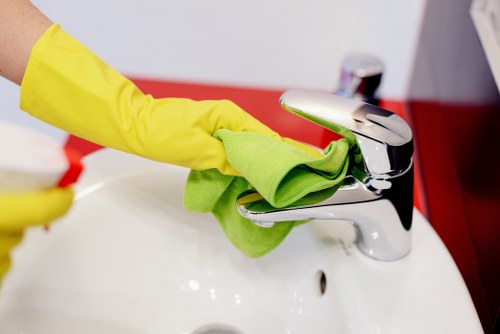
Deep cleaning refers to a detailed cleaning process that goes beyond the visible surfaces. While regular cleaning keeps a home looking presentable, deep cleaning targets the places where grime accumulates over time, including corners, baseboards, behind appliances, under furniture, and inside storage areas.
This type of cleaning often includes scrubbing, disinfecting, degreasing, dust removal, and the careful treatment of materials that require extra attention. A proper deep cleaning session can take several hours or even a full day, depending on the size of the property and the level of buildup.
It is especially useful after periods of heavy use, before special events, during seasonal transitions, or when a home has not been cleaned thoroughly for a while. Many homeowners schedule deep cleaning services at least a few times per year to keep their spaces healthier and more organized.
Why Deep Cleaning Is Important
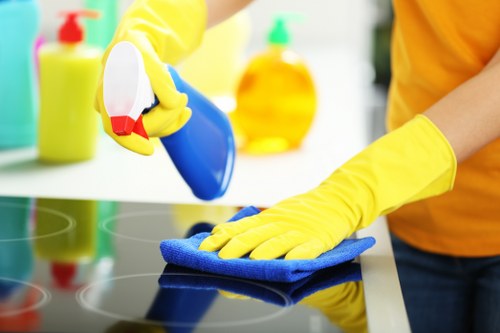
One of the biggest benefits of deep cleaning is that it helps create a healthier indoor environment. Dust, pet dander, pollen, mold spores, and bacteria can build up in areas that are not touched during daily cleaning. Over time, these contaminants can contribute to poor air quality and discomfort for people with allergies or sensitivities.
Another reason deep cleaning matters is maintenance. Dirt and grease can damage surfaces if they are left untreated for long periods. For example, soap scum can dull bathroom fixtures, kitchen grease can affect cabinetry, and dust buildup can reduce the efficiency of vents and fans.
There is also a mental benefit. A deeply cleaned home feels calmer, fresher, and more organized. Many people notice improved focus and less stress when their surroundings are clean and uncluttered. A deep cleaning routine can support both physical and emotional well-being.
How Deep Cleaning Differs from Regular Cleaning
Regular cleaning focuses on maintenance. It includes tasks like sweeping, vacuuming, wiping counters, washing dishes, and cleaning visible surfaces. These are important, but they do not usually address the hidden areas where dirt settles over time.
Deep cleaning, on the other hand, is a more detailed process. It involves moving items, cleaning hard-to-reach spaces, and treating problem areas that need extra effort. Instead of simply making a room look clean, deep cleaning aims to restore it.
For example, regular bathroom cleaning may involve wiping the sink and toilet, while a deep cleaning session includes scrubbing tile grout, polishing faucets, disinfecting handles, washing vent covers, and cleaning behind the toilet. That difference is what makes deep cleaning so effective.
Typical Deep Cleaning Tasks
- Washing baseboards and trim
- Cleaning behind and under appliances
- Scrubbing grout and tile
- Dusting ceiling fans and vents
- Cleaning inside cabinets and drawers
- Sanitizing high-touch surfaces
- Removing buildup from sinks, showers, and tubs
Key Areas That Need Deep Cleaning

Every room in the home can benefit from deep cleaning, but some areas need extra attention because they collect more dirt, grease, or moisture. Knowing where to focus helps make the process more efficient and effective.
The kitchen is often the most demanding room. Grease, crumbs, spills, and food residue can accumulate in cabinets, around the stove, under appliances, and inside the refrigerator. A thorough deep cleaning of the kitchen helps keep the area hygienic and pleasant to use.
Bathrooms also need regular intensive care. Moisture encourages soap scum, mildew, and mineral deposits. Deep cleaning bathrooms usually includes scrubbing tile, disinfecting surfaces, cleaning drains, polishing fixtures, and removing buildup from corners and edges.
Other high-priority spaces include:
- Bedrooms, especially under beds and inside closets
- Living rooms, where dust and pet hair gather quickly
- Entryways and hallways, which collect tracked-in debris
- Laundry rooms, where lint and detergent residue may build up
- Home offices, where dust can affect electronics and shelves
Deep Cleaning the Kitchen
The kitchen is a central part of the home, which means it sees constant use. Because of that, deep cleaning here is essential for both appearance and sanitation. Begin by removing items from counters, shelves, and cabinets so every surface can be reached.
Focus on appliances first. Clean the exterior and interior of the microwave, refrigerator, oven, dishwasher, and toaster area. Pull appliances away from the wall when possible to remove dust and crumbs behind them. This step alone can greatly improve the freshness of the room.
Pay close attention to cabinets, handles, and backsplash areas. Grease often settles in these spaces without being noticed. A mild degreasing solution can make the process easier while protecting finishes. For floors, sweep thoroughly before mopping, and remember to clean under chairs, tables, and movable storage units.
Pro tip: If you want long-lasting results, keep a small kitchen cleaning schedule in between full deep cleaning sessions. That way, buildup never gets out of control.
Kitchen Deep Cleaning Checklist
- Empty and wipe all cabinets
- Clean refrigerator shelves and drawers
- Scrub sink and faucet
- Degrease stove, range hood, and backsplash
- Clean microwave inside and out
- Sanitize countertops and switches
- Mop floor edges and under appliances
Deep Cleaning the Bathroom
Bathrooms require special attention because they combine humidity, frequent contact, and a variety of surfaces. A detailed deep cleaning process can remove buildup that ordinary wiping does not address.
Start with mirrors, counters, and sinks. Remove items from the vanity so you can clean around and behind them. Then move to the toilet, tub, shower, and tiles. Use appropriate cleaners for each surface to avoid damage while still eliminating residue and bacteria.
Do not forget grout, drains, shower doors, and faucets. These areas often show the first signs of hard water or soap scum. A thorough bathroom deep cleaning should also include wiping light switches, towel bars, door handles, and vents. Small details matter because they contribute to the overall freshness of the room.
Bedroom and Living Room Deep Cleaning
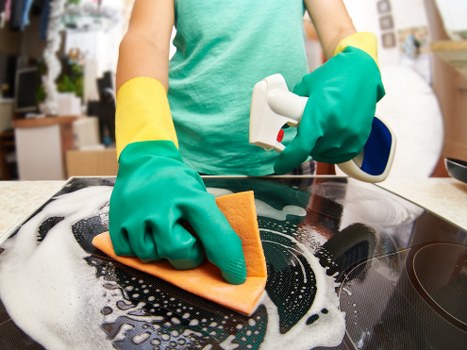
Bedrooms and living rooms may appear clean on the surface, but they often contain dust in overlooked places. Deep cleaning these areas improves comfort and can reduce allergens. Begin by removing clutter, laundering bedding, and vacuuming upholstered furniture.
Move beds, sofas, and chairs when possible to clean underneath. Dust shelves, lamp bases, picture frames, window ledges, and ceiling fans. In bedrooms, pay attention to closets, mattress edges, and under-bed storage. In living rooms, focus on electronics, remote controls, cords, and decorative items that can collect dust.
Upholstery and carpets may need special care. Vacuum slowly and thoroughly, and consider spot cleaning or steam cleaning when needed. A full deep cleaning of these rooms makes them feel brighter and more welcoming.
Bedroom and Living Room Priorities
- Wash bedding and pillow covers
- Vacuum mattresses and carpet edges
- Dust furniture legs and baseboards
- Clean windowsills and blinds
- Vacuum under couches and beds
- Wipe electronics and accessories
Seasonal Deep Cleaning: Why Timing Matters
Timing can make a major difference in how effective deep cleaning feels. Many homeowners choose to clean deeply during seasonal changes, especially in spring and fall. These transitions are ideal because they often involve switching out clothing, bedding, decor, and household routines.
Spring is a natural time to remove dust, open windows, and refresh living spaces after winter. Fall is equally useful because it prepares the home for more time indoors. Summer and winter deep cleaning can also be beneficial, depending on climate, traffic, and household needs.
Seasonal planning helps prevent buildup from becoming overwhelming. Instead of waiting until a room feels unmanageable, you can spread tasks across the year. That approach makes deep cleaning more realistic and less stressful.
Seasonal ideas to consider:
- Spring: closets, windows, vents, and curtains
- Summer: outdoor entryways and air circulation areas
- Fall: kitchens, storage spaces, and bedding
- Winter: floors, baseboards, and high-touch surfaces
Tools and Supplies for Effective Deep Cleaning
Having the right supplies makes deep cleaning faster, easier, and more thorough. A basic kit should include microfiber cloths, scrub brushes, a vacuum cleaner with attachments, a mop, gloves, all-purpose cleaner, glass cleaner, disinfectant, and a degreasing product for kitchen areas.
For tougher jobs, you may also need grout cleaner, a toilet brush, a steam cleaner, an extendable duster, and a bucket. Choosing quality tools matters because they can remove dirt more efficiently and help protect surfaces. Soft cloths are best for delicate finishes, while stronger brushes work well on tile, grout, and textured areas.
It is also smart to organize your supplies before starting. A caddy or basket can keep products within reach so you do not waste time searching for items during the process. Efficient setup supports a smoother deep cleaning experience from start to finish.
Helpful supplies list
- Microfiber cloths
- Scrub sponges and brushes
- Vacuum with attachments
- Mop and bucket
- Glass and multi-surface cleaner
- Disinfectant wipes or spray
- Protective gloves
How to Create a Deep Cleaning Plan
A successful deep cleaning session begins with a plan. Without one, it is easy to become distracted or spend too much time in one room while neglecting the others. A clear structure helps you move through the home logically and efficiently.
Start by listing every room and dividing tasks into categories such as dusting, scrubbing, washing, disinfecting, and organizing. Then decide whether to clean one room at a time or complete one task across the whole house. For example, you may prefer to dust all rooms first and vacuum later.
Set a realistic time frame. Not every home can be deep cleaned in a single afternoon. Breaking the work into manageable sections can make the process more sustainable. This is especially important for large households, busy families, or anyone balancing work and other responsibilities.
Simple planning steps
- Make a room-by-room checklist
- Gather all supplies before starting
- Choose a start point and finish line
- Work from top to bottom
- Save floors for last
- Review the space once finished
Deep Cleaning Tips for Better Results
To get the most out of deep cleaning, follow a few smart techniques. First, always work from top to bottom so dust and debris fall onto surfaces that have not been cleaned yet. Second, move methodically from one side of the room to the other so you do not miss hidden areas.
Another helpful tip is to let cleaning products sit for a few minutes before scrubbing, especially on soap scum, grease, or stains. This gives the product time to break down buildup and reduces the effort required. Always check the label to ensure safe use on the surface you are treating.
Finally, avoid mixing too many products at once. Using the wrong combination can create hazards or reduce effectiveness. A careful, steady approach makes deep cleaning safer and more successful.
Best practices
- Open windows when using strong products
- Test cleaners on small areas first
- Use separate cloths for bathrooms and kitchens
- Replace dirty water often
- Focus on consistency, not speed
When to Consider Professional Deep Cleaning
Sometimes, a home needs more than a weekend effort. Professional deep cleaning can be the right choice when you are dealing with extensive buildup, moving in or out of a property, preparing for a special occasion, or simply wanting a reset without the workload.
Professional cleaners often bring specialized tools and a trained eye for areas most people overlook. They can handle hard-to-reach spots, time-consuming chores, and detail work that may be difficult to finish on your own. This can be especially useful for households with pets, children, or heavy daily traffic.
Hiring a service does not mean you are avoiding responsibility; it means you are choosing efficiency and quality. A well-executed deep cleaning can create a strong foundation for easier maintenance afterward. Book your service now if you want faster results and a noticeably fresher home.
Maintaining Results After Deep Cleaning
Once a home has been deeply cleaned, the goal is to keep it that way for as long as possible. Maintenance does not need to be complicated. Small daily habits can protect your efforts and reduce the frequency of intense cleaning sessions.
Simple practices such as wiping counters after use, vacuuming regularly, taking out the trash promptly, and putting items back where they belong can make a huge difference. Consistency is the secret to preserving the results of deep cleaning without feeling overwhelmed.
It also helps to create a short weekly cleaning schedule. By staying on top of basic tasks, you prevent dust, grime, and clutter from building up. That means the next deep cleaning session will be much easier and faster.
Maintenance habits that help
- Wipe high-touch surfaces daily
- Vacuum and mop regularly
- Wash bedding and towels on schedule
- Clean spills immediately
- Declutter small areas each week
Common Mistakes to Avoid During Deep Cleaning
Even with good intentions, a deep cleaning project can go off track if you rush or skip key steps. One common mistake is cleaning only what is visible. Hidden buildup behind furniture, under appliances, or inside cabinets is often the reason a space still feels dirty.
Another mistake is using the wrong cleaner for a surface. Harsh chemicals can damage wood, stone, or painted finishes. Always read product instructions carefully and use the correct method for the material you are treating.
It is also easy to overlook drying time. Damp surfaces can attract dust or create odors if they are not dried properly. Patience matters in deep cleaning, because the final result depends on attention to detail as much as effort.
Avoid these errors
- Skipping hidden corners and edges
- Using too much product
- Cleaning in the wrong order
- Ignoring vents, switches, and handles
- Forgetting to dry surfaces completely
Why Deep Cleaning Adds Value to Everyday Life
Deep cleaning is not just a chore; it is an investment in comfort, cleanliness, and peace of mind. A clean home supports better routines, reduces frustration, and creates a more inviting atmosphere for everyone living there. It can also help protect your belongings by keeping surfaces and materials in better condition.
Whether you handle the work yourself or choose professional support, the result is the same: a healthier and more enjoyable home. The process may require effort, but the payoff is noticeable in every room. Clean spaces are easier to use, easier to maintain, and more pleasant to spend time in.
If you have been putting off a deep cleaning project, now is a great time to start. Even one focused session can transform your home. Take the first step, build a simple plan, and contact us today if you are ready to experience the benefits of a truly refreshed space.
Final thought: Deep cleaning works best when it becomes part of your home care routine rather than a last-minute emergency task. With the right tools, a smart plan, and regular maintenance, you can keep your home cleaner, healthier, and more welcoming all year long.