Health and Safety Policy
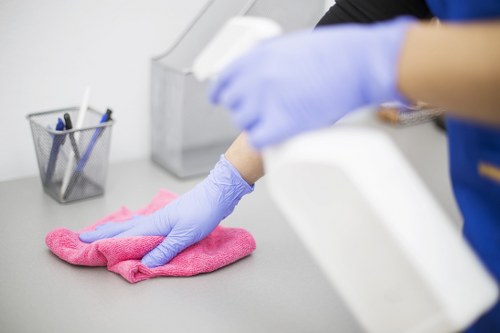 This Health and Safety Policy sets out the principles, responsibilities, and practical standards used to protect everyone connected with the workplace. It applies to employees, contractors, visitors, and any other person who may be affected by work activities. The aim is simple: to promote a safe, healthy, and well-organized environment where risks are managed effectively and incidents are prevented wherever possible.
The organization is committed to maintaining a safe working environment by identifying hazards, assessing risks, and putting appropriate controls in place. Health and safety is not treated as a separate task; it is part of everyday operations, planning, and decision-making. This policy supports a culture in which safety awareness, accountability, and continuous improvement are shared by everyone.
To achieve this, the organization will provide suitable information, instruction, training, and supervision. It will also encourage workers to follow established procedures, use equipment correctly, and report unsafe conditions without delay. Prevention is always the preferred approach, and hazards should be addressed before they lead to harm.
 Management has overall responsibility for the implementation of this occupational health and safety policy. Leaders must ensure that adequate resources are available, roles are clearly defined, and safety standards are actively monitored. They are also expected to lead by example and to reinforce safe behavior throughout the organization.
Employees and other workers have a duty to take reasonable care of their own health and safety and that of others who may be affected by their actions. This includes following safe systems of work, using protective equipment where required, and avoiding behavior that could create unnecessary risk. Everyone is expected to cooperate with safety measures and to take part in health and safety initiatives when asked.
 A structured risk assessment process will be used to identify workplace hazards, estimate the likelihood and severity of harm, and determine the controls needed to reduce risk to an acceptable level. Risk controls may include safer equipment, better work methods, physical safeguards, training, supervision, maintenance, and emergency planning. The findings of assessments should be reviewed regularly and updated when conditions change.
Emergency preparedness is an essential part of this workplace safety policy. Clear arrangements must be in place for fire safety, evacuation, first aid, incident reporting, and response to serious accidents or near misses. Staff should know what to do in an emergency, how to raise an alarm, and where to find the nearest safe exit or assembly point.
The organization will support health and wellbeing by promoting reasonable work practices that help reduce stress, fatigue, and other work-related pressures. Workloads should be managed carefully, breaks should be respected, and concerns about mental or physical strain should be handled seriously. A positive safety culture depends on open communication and early intervention when issues appear.
Protective equipment, tools, and machinery must be selected, maintained, and used in a safe manner. Where personal protective equipment is required, it must be worn correctly and kept in good condition. Equipment defects, damaged items, and maintenance concerns should be reported immediately so that corrective action can be taken before an incident occurs.
Responsibilities and Monitoring
All levels of the organization have a role in sustaining effective health and safety management. Supervisors should check that safety procedures are being followed and that any known hazards are controlled. Workers should raise concerns promptly and avoid taking shortcuts that may compromise safe performance. Visitors and contractors are also expected to comply with relevant safety requirements while on site.
Accidents, incidents, and near misses will be recorded, investigated, and reviewed to identify root causes and prevent recurrence. The purpose of investigation is not to assign blame, but to learn from events and improve the system. Where necessary, corrective actions will be introduced and tracked to completion.
Training and competence are vital to effective safety performance. Workers should receive the instruction they need to perform tasks safely and should only be assigned work for which they are suitably prepared. Refresher training may be needed when new risks are introduced, equipment changes, or procedures are updated.
Review and Improvement
 This health and safety statement will be reviewed periodically to ensure it remains relevant, effective, and aligned with operational needs. Reviews may also be triggered by significant changes, such as new activities, altered work arrangements, serious incidents, or feedback from inspections and audits. Continuous improvement is a core expectation, and the policy should evolve as risks, technology, and work practices change.
Performance will be monitored through inspections, observations, reports, and other internal checks. The organization will use these findings to strengthen controls, improve communication, and reinforce safe behaviors. Where performance falls short, appropriate corrective and preventive action will be taken.
 In summary, this health and safety policy reflects a commitment to protecting people, reducing risk, and creating a workplace where safety is treated as a shared responsibility. By working together, following established controls, and responding quickly to hazards, the organization can maintain a safer and healthier environment for all.