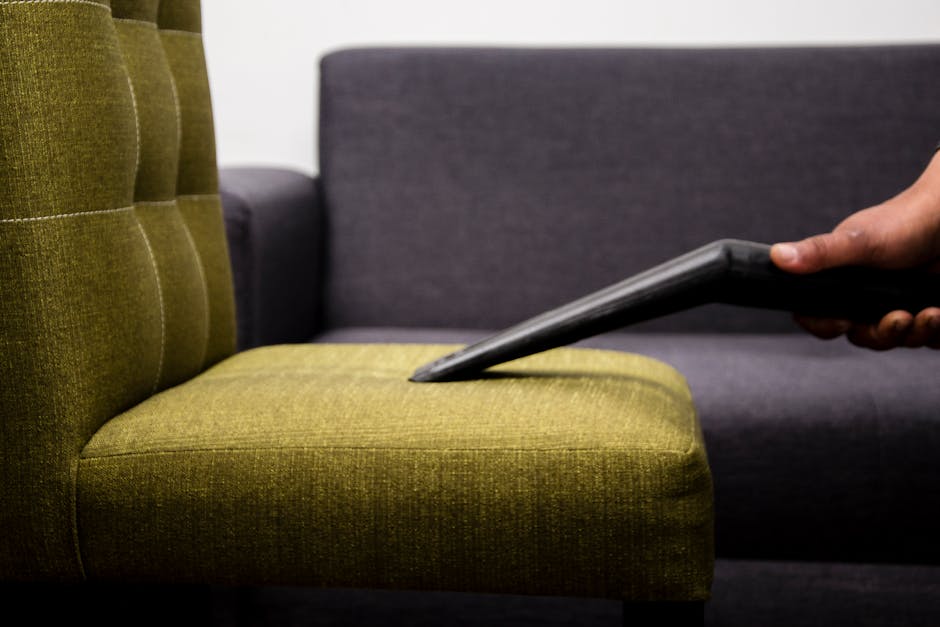
Long Lane Stephens House upholstery cleaning Finchley: a practical guide to fresher, longer-lasting furniture
If you are looking into Long Lane Stephens House upholstery cleaning Finchley, you are probably dealing with one of those everyday problems that quietly gets worse over time: a sofa that looks dull, an armchair with a mystery mark, or fabric that holds on to odours no matter how much you air the room. Truth be told, upholstery is easy to overlook until it starts looking tired.
This guide breaks down what local upholstery cleaning involves, how it works, what to expect from the process, and how to avoid the common mistakes that can damage delicate fabrics. It is written for people who want clear, practical advice before booking anything, and for anyone who simply wants their furniture to feel clean again. Not showroom-perfect. Just properly looked after.
Why Long Lane Stephens House upholstery cleaning Finchley Matters
Upholstery does a lot of quiet work. It takes daily wear, absorbs skin oils, catches dust, and deals with the occasional spill, pet hair, and sticky hands. In a busy Finchley home, especially in a place like Stephens House where people want their space to feel neat and comfortable, soft furnishings can become the thing that makes the whole room look either cared for or a little bit forgotten.
What makes upholstery cleaning worth doing is not just appearance. Fabric furniture can trap dirt deep in the fibres, and once that build-up settles in, simple vacuuming only reaches the surface. Over time, the cushions can start to look patchy, the fabric may feel rough, and everyday smells hang around longer than they should. A proper clean helps reset all of that.
There is also a practical side. If you rent, manage a property, or simply want to protect furniture you paid good money for, regular upholstery care can help keep items usable for longer. And in a shared or high-traffic home, that matters. Nobody wants to sit on a sofa that looks clean-ish but still feels grim. Let's face it, that half-clean stage is the worst.
For households that already use services such as house cleaning or domestic cleaning, upholstery care fits naturally into a wider maintenance routine. It is one of those jobs that pays off quietly, every time you walk into the room.
How Long Lane Stephens House upholstery cleaning Finchley Works
Professional upholstery cleaning is usually a fabric-safe, methodical process rather than a quick spray-and-wipe. Good cleaning starts with identifying the material. Cotton, linen, wool blends, microfiber, velvet, synthetic fabric, and leather all behave differently. That matters because the wrong moisture level or product can leave a watermark, distortion, or an uneven finish.
The process normally starts with inspection and testing. A cleaner checks the fabric type, the age of the item, the condition of seams and stitching, and any visible damage. Then comes vacuuming to remove loose dust, crumbs, and grit. That first stage may seem minor, but it is a big deal. If grit stays in the fabric, it can turn into muddy residue during wet cleaning.
After that, the cleaner chooses a suitable method. In many cases, this may be hot water extraction or low-moisture cleaning, depending on the fabric and the level of soiling. Some pieces need targeted stain treatment before the full clean begins. A professional will also avoid soaking the item, because too much water can slow drying and sometimes cause fabric shrinkage or dye transfer.
Drying is the final part, and it is often overlooked. A well-cleaned sofa that stays damp for too long is not ideal, especially in winter when the room may not have much airflow. Good practice means using the right amount of solution, managed extraction, and enough ventilation so the upholstery is ready to use again without that faint, musty after-effect.
If you already know you need broader refresh work in the flat or house, it can make sense to combine this with deep cleaning or, in move-related situations, move-in cleaning and move-out cleaning. That way, the soft furnishings are handled alongside the rest of the property instead of being tackled separately later.
Key Benefits and Practical Advantages
The obvious benefit is that furniture looks better. But the real value goes further than that. A proper upholstery clean can make a room feel fresher, improve comfort, and help extend the life of the fabric. It is a bit like getting a coat properly cleaned instead of just brushing off the mud; the difference is visible, but also strangely reassuring.
- Improved appearance: marks, dull patches, and general greyness are reduced.
- Better hygiene: dust, crumbs, allergens, and everyday grime are lifted from the fibres.
- Odour reduction: fabrics can hold onto food smells, pet smells, and general stale air.
- Longer furniture lifespan: dirt acts like sandpaper over time, so cleaning can help reduce wear.
- Better first impressions: useful for visitors, landlords, guests, or anyone who simply likes a tidy home.
There is also a confidence benefit. Once a sofa or chair has been professionally cleaned, people usually stop avoiding one side of it, or flinching a little when someone spills tea nearby. That sounds small, but it changes how you use the room.
For local homes that also rely on regular cleaning to stay on top of the basics, upholstery care adds a deeper layer. It is the sort of maintenance that people often postpone, then immediately wish they had done sooner.
Who This Is For and When It Makes Sense
This service is useful for more people than you might expect. It is not just for visibly dirty sofas. In fact, some of the best times to clean upholstery are before the problem becomes obvious.
You may want upholstery cleaning if you are:
- living in a busy household with children, pets, or frequent visitors
- moving into a new home and want a fresh start
- moving out and want the furniture to look its best for inspection
- preparing a rental property or guest space
- dealing with food, drink, or cosmetic spills
- noticing odours that remain after routine vacuuming
- managing a property where presentation matters, such as a let or short-stay space
It also makes sense if the room simply feels tired. You know the one: everything looks tidy, but the sofa looks like it has been there since forever. That is often the cue. If the upholstery looks dull but the cushions are still structurally sound, cleaning is usually the smarter move before replacement.
For households and landlords who already use services such as end of tenancy cleaning or Airbnb cleaning, upholstery care can help the whole space present well without needing to replace furniture unnecessarily.
Step-by-Step Guidance
If you are planning Long Lane Stephens House upholstery cleaning Finchley, here is the simplest way to think about the process from start to finish.
- Identify the fabric. Check labels if available, and note whether the item is delicate, colour-sensitive, or leather.
- Look at the problem areas. Is it a general refresh, a stain issue, pet odours, or heavy use on the seat and arms?
- Vacuum thoroughly. Loose grit should be removed before any wet method is used.
- Test first. A small hidden area should be checked for colour fastness and fabric response.
- Pre-treat stains carefully. This is where spot-specific products or techniques are used.
- Clean with the right method. Wet, low-moisture, or specialist treatment depends on the fabric.
- Control drying. Good airflow matters. Open windows if practical, and avoid heavy use until dry.
- Inspect after cleaning. Check for lingering marks, uneven areas, or spots that need a second pass.
A small but important point: if you are cleaning more than one item, such as a sofa and two armchairs, do the most heavily used pieces first while your energy and attention are fresh. Sounds obvious, but people sometimes work backwards and then rush the main seat. Not ideal.
If you are combining furniture care with other property maintenance, a broader service like one-off cleaning can sometimes make the timing easier. That is especially true in flats where you want the whole space refreshed in one go, rather than drip-feeding jobs across several weekends.
Expert Tips for Better Results
Good upholstery cleaning is as much about avoiding damage as it is about removing dirt. A few practical habits make a noticeable difference.
- Do not oversaturate the fabric. More liquid does not mean better cleaning. Usually it means more drying time and more risk.
- Blot, do not scrub. Scrubbing pushes stains deeper and can roughen the fibres. Blotting is calmer and usually more effective.
- Check the fabric code or care label. If the item has specific cleaning guidance, follow it rather than guessing.
- Deal with spills sooner rather than later. Fresh stains are usually easier to lift than ones that have set in for days.
- Use airflow wisely. A room with open windows and gentle circulation dries upholstery far better than a closed, warm room with no ventilation.
- Protect the area around the furniture. Hardwood floors, rugs, and nearby paintwork should be shielded if wet cleaning is used.
One more thing, and it gets overlooked all the time: uneven cleaning can happen if only the visible stain is treated and the surrounding fabric is ignored. That is how you get a clean circle in the middle of a still-dirty seat. Not a great look. A broader, more even approach usually blends the finish better.
For local homes that also need better window light and cleaner room presentation, a service such as window cleaning can complement upholstery cleaning nicely. It is a small combination, but the room can feel surprisingly brighter afterwards.
Common Mistakes to Avoid
Most upholstery problems after cleaning are caused by rushing, using the wrong product, or not understanding the fabric. The furniture itself is often fine; it is the method that goes wrong.
- Using a general household cleaner on everything: not all products are safe for all fabrics.
- Soaking stained areas repeatedly: this can spread the mark or create a watermark.
- Ignoring hidden damage: loose stitching, worn seams, or fragile piping can worsen during cleaning.
- Drying too slowly: this can leave a stale smell and invite mould risk in severe cases.
- Cleaning only the stain and not the whole section: this can create a patchy finish.
- Waiting until the item is badly degraded: by then, some stains are much harder to reduce.
There is also a kind of false economy at play here. People sometimes try to save money by using a strong product once, and then spend more later fixing the damage. To be fair, the temptation makes sense. But upholstery is one of those jobs where caution usually pays.
Tools, Resources and Recommendations
If you are handling light maintenance between professional cleans, keep the toolkit simple. You do not need a garage full of gadgets. In most homes, a few well-chosen items are enough.
| Tool or item | Best use | Why it helps |
|---|---|---|
| Upholstery attachment vacuum | Routine dust and crumb removal | Reaches seams and cushions without beating up the fabric |
| Clean microfibre cloths | Blotting light spills | Helps absorb moisture without spreading it around too much |
| Soft-bristle brush | Gently lifting pile on suitable fabrics | Useful for restoring appearance after drying |
| Fabric-safe spot treatment | Specific localised stains | Can be helpful, but only if matched to the material |
| Good ventilation | Drying after wet cleaning | Reduces lingering dampness and keeps the room usable |
For broader property care, it can also help to think in layers. Upholstery cleaning works well alongside sofa cleaning when the furniture is the main priority, or alongside carpet cleaning when the whole room needs a reset. That pairing is often more practical than treating each surface as a separate problem.
If you want a service that covers more than one room or more than one item, it is also worth looking at pricing and quotes early. Clear expectations are always better than awkward guessing later.
Law, Compliance, Standards, or Best Practice
Upholstery cleaning is not usually a heavily regulated service in the way some trades are, but it still sits within sensible UK best practice. A careful provider should work with appropriate attention to health and safety, safe chemical handling, and the protection of your property. That includes treating fibres carefully, using suitable equipment, and avoiding unnecessary risks from excess moisture or slip hazards.
If you are booking a cleaner into a residential or managed setting, it is reasonable to ask about insurance, safety procedures, and how they handle fabric testing before cleaning begins. Those are not awkward questions. They are normal questions. In fact, they should be normal.
It is also smart to check whether the business explains how it handles complaints, privacy, and payment security. Those things do not clean a sofa, obviously, but they do tell you a lot about how organised and trustworthy the service is. For more background, you can review the company's insurance and safety information, health and safety policy, and payment and security details.
If you are the sort of person who likes the paperwork tidy before anything begins, that is fair enough. Many people do. A clear terms and conditions page and a transparent privacy policy are not glamorous, but they matter when you are inviting a service into your home.
Options, Methods, or Comparison Table
Different upholstery jobs call for different approaches. The best method depends on the material, the level of soiling, and how quickly the item needs to be ready again.
| Method | Best for | Pros | Watch-outs |
|---|---|---|---|
| Vacuum-only maintenance | Light upkeep between deeper cleans | Fast, low-risk, helpful for dust control | Will not remove deep stains or odours |
| Low-moisture upholstery cleaning | Delicate or quicker-drying fabrics | Reduced drying time, lower saturation risk | May be less effective on heavy staining |
| Hot water extraction | Durable fabric with deeper dirt or grime | Strong soil removal and a thorough clean | Needs careful moisture control and drying time |
| Specialist stain treatment | Spots such as food, drink, or cosmetic marks | Targets problem areas directly | Should be tested first; not every stain is fully removable |
In many real situations, the answer is not one method alone. It is a combination. A quick inspection, a gentle pre-treatment, and a fabric-appropriate clean usually beat any one-size-fits-all approach. That is the honest version.
Case Study or Real-World Example
Picture a flat where the main sofa has had a very ordinary London life: takeaway nights, guests dropping in after work, a bit of pet hair, and one coffee spill that never quite got sorted. From across the room it looks fine. Up close, though, the arms are darkened, the seat cushions look tired, and there is a faint stale smell whenever the heating is on.
In that kind of situation, a professional clean usually starts with a fabric check and a test patch. The armrests and seat fronts tend to hold the heaviest body oils, while crumbs and dust settle into the seams. After vacuuming and targeted treatment, the cleaner works across the full seating area so the finish does not look patchy. Then the room is ventilated, and the sofa is left to dry properly before use.
The result is rarely dramatic in a flashy way. It is more subtle than that. The room just feels better. The sofa looks like it belongs in the home again instead of looking like something everyone avoids sitting on. And yes, people notice. Usually not with big comments, just with the small quiet behaviour of choosing that seat first.
If the property is also being prepared for guests, tenants, or a fresh tenancy, it can be sensible to align the clean with end of tenancy cleaning or one-off cleaning. That keeps the whole place on the same standard, which is easier than patching things together later.
Practical Checklist
Use this quick checklist before booking or attempting upholstery cleaning yourself.
- Identify the fabric type if you can.
- Check for care labels or existing cleaning instructions.
- Look for worn seams, loose buttons, or fragile areas.
- Vacuum the furniture thoroughly before any wet treatment.
- Decide whether the goal is stain removal, odour reduction, or a general refresh.
- Test any product on a hidden area first.
- Make sure there is a plan for drying and ventilation.
- Protect surrounding surfaces and flooring.
- Avoid over-wetting, especially on delicate upholstery.
- Inspect the results once the item is dry, not while it is still damp.
Key takeaway: the best results usually come from matching the cleaning method to the fabric, not forcing a generic approach onto every sofa or chair. Simple, careful, and a bit patient. That is usually the winning formula.
Get a free quote today and see how much you can save.
Conclusion
Long Lane Stephens House upholstery cleaning Finchley is about more than removing a few marks. It is about keeping furniture comfortable, extending its useful life, and making the whole room feel fresher. Whether you are dealing with everyday wear, a stubborn spill, or the general dullness that builds up over time, the right cleaning approach can make a bigger difference than people expect.
The main thing is not to rush it. Check the fabric, use the right method, and think about drying as carefully as cleaning. If you do that, you are far less likely to create problems and far more likely to end up with furniture that looks and feels properly cared for. Simple as that.
And when a room feels clean again, people sit a little easier, breathe a little easier, and somehow the day feels slightly more in order. Funny how that works.
Frequently Asked Questions
What is Long Lane Stephens House upholstery cleaning Finchley?
It is a local upholstery cleaning service focused on cleaning fabric furniture such as sofas, armchairs, and chairs in and around Finchley, with care taken to suit the material.
How often should upholstery be professionally cleaned?
That depends on use. Busy family homes, pet households, and frequently used furniture may benefit from more regular cleaning than low-use items. A general refresh once in a while is usually sensible.
Can upholstery cleaning remove old stains?
Sometimes, yes, but not always completely. Older stains can bond with fibres or change the dye, which makes them more difficult. A good cleaner will usually test and give an honest view before proceeding.
Will the furniture be wet for a long time afterwards?
It should not be left soaking. Drying time depends on the fabric, method used, room temperature, and airflow. Good ventilation helps a lot, especially in cooler months.
Is upholstery cleaning safe for delicate fabrics?
It can be, if the method matches the fabric. Delicate materials need careful testing and lighter treatment. That is why fabric inspection matters before any cleaning begins.
Can I clean my sofa myself?
For light maintenance, yes. Vacuuming and gentle spot care are fine for many homes. But for deeper cleaning or unclear fabric types, professional help is usually safer.
Does upholstery cleaning help with smells?
It often does. Upholstery can absorb cooking smells, pet odours, and general everyday stale air. Cleaning can reduce that build-up, though deeply embedded odours may need more targeted treatment.
Should upholstery cleaning be done before or after other cleaning jobs?
Usually after the dustier work has been dealt with, but before the room is fully finished. If you are planning a full property clean, upholstery fits well into a broader schedule rather than being left to the end.
How long does it usually take?
It depends on the number of items, the fabric type, and the level of dirt. A single sofa can be fairly quick, while a full seating area takes longer because each piece needs proper attention and drying time.
What should I ask before booking upholstery cleaning?
Ask about fabric testing, drying expectations, insurance, pricing, and what happens if a stain cannot be fully removed. Clear answers upfront are always a good sign.
Can upholstery cleaning be combined with other services?
Yes. Many people combine it with carpet cleaning, deep cleaning, or house cleaning so the whole property feels refreshed at once.
Is it worth cleaning older furniture?
Often it is, especially if the frame and cushions are still in good shape. A clean can make older furniture look better and delay the need for replacement. Sometimes that is exactly the sensible move.
How do I get started?
The easiest next step is to review the service details, check the relevant policies, and request a quote so you know what is included. Then you can decide whether the timing and approach suit your home.