Tally Ho Corner end of tenancy cleaning Finchley tips
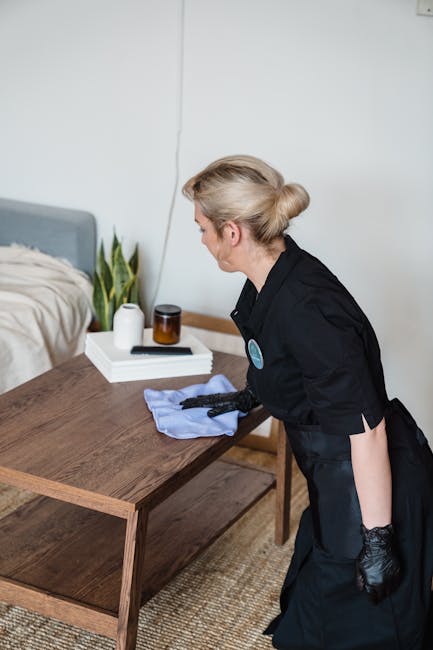
If you are moving out near Tally Ho Corner, you already know how quickly a tenancy can turn into a checklist-heavy headache. Boxes everywhere, keys to hand back, a final inspection looming, and that awkward question: will the flat look clean enough to satisfy the landlord or letting agent? These Tally Ho Corner end of tenancy cleaning Finchley tips are here to make the whole process feel less chaotic and far more manageable. We will look at what matters, what actually gets checked, how to clean efficiently, and where a professional end of tenancy cleaning service fits in if you want a smoother handover.
Truth be told, most move-out stress is not about the cleaning itself. It is about timing, detail, and knowing what standards are expected. A decent plan saves you from doing the skirting boards twice at 10.30pm with a half-empty spray bottle and no patience left. Let's get into the useful stuff.
Why Tally Ho Corner end of tenancy cleaning Finchley tips Matters
End of tenancy cleaning is not just about making a property look neat. It is about meeting the expected condition for a move-out inspection. In Finchley, especially around busy areas like Tally Ho Corner where renters often move in and out on tight schedules, the margin for error is small. A property that looks "fine" to a tenant can still fail a landlord's or agent's standard if there is dust on blinds, grease in the oven, or limescale in the bathroom.
That is why these tips matter. They help you focus on the areas that carry the most weight in an inspection, rather than wasting time on things nobody will notice. A clean living room is nice. A clean extractor hood, oven, sink, shower screen, and window ledge can be the difference between a smooth checkout and a deduction conversation you really do not want.
There is also a practical side. If you are trying to leave a property in move-out condition while still packing, sorting utility readings, and chasing movers, a structured cleaning plan cuts the pressure down considerably. And if the property has seen a normal amount of everyday use, then a proper deep-cleaning approach often makes more sense than a quick tidy-up.
Key point: the goal is not perfection for its own sake. The goal is a property that looks, smells, and feels properly vacated, with no obvious signs of occupation left behind.
How Tally Ho Corner end of tenancy cleaning Finchley tips Works
Think of end of tenancy cleaning as a room-by-room reset. You strip the property back to a near-fresh state, removing the build-up that happened during the tenancy. That usually means tackling the kitchen, bathroom, floors, fixtures, and high-touch surfaces much more thoroughly than in regular domestic cleaning.
At a practical level, the work usually falls into three stages:
- Preparation: remove personal belongings, food, toiletries, rubbish, and anything stored in cupboards or drawers.
- Detailed cleaning: clean inside and outside of appliances, polish taps, remove limescale, wipe skirting boards, vacuum edges, and deal with built-up grime.
- Final inspection: check hidden spots, test for odours, and make sure no areas were missed before handing over the keys.
This is where many people get caught out. They clean what is visible and forget the bits that are easy to miss: behind the toilet, the top of the door frame, under the bed, the track of a window, the top edge of kitchen cupboards. Little things, yes. But little things add up fast.
If you hire professional help, you may also combine the move-out with other services like move-out cleaning, carpet cleaning, or oven cleaning where the property needs a stronger finish. That is often the cleanest route, especially for larger homes or tight handover deadlines.
Key Benefits and Practical Advantages
A good end of tenancy clean does more than improve appearances. It reduces friction at the point when everyone is already a bit tired and ready to move on. Simple as that.
- Lower risk of deposit deductions: if the property is returned in the expected condition, there is less room for avoidable disputes.
- Less last-minute stress: a plan saves time when packing and cleaning are happening at the same time.
- Better inspection outcomes: clean appliances, bathrooms, and floors are exactly what checking agents tend to notice first.
- More efficient handover: if you have already deep-cleaned high-traffic areas, the checkout process feels much more straightforward.
- Better hygiene for the next occupant: nobody wants to move into a kitchen that still smells faintly of old chips and bleach. Awful combo, that.
There is also a psychological benefit. A properly cleaned property feels finished. You can close the door knowing you have done your bit well, which is a surprisingly good feeling on a moving day when everything else feels slightly upside down.
For tenants with furniture, textiles, or marks left by daily living, services such as sofa cleaning, upholstery cleaning, or window cleaning can help lift the overall standard without you having to improvise with kitchen roll and hope.
Who This Is For and When It Makes Sense
These Finchley move-out tips are useful for a wide range of people, not just first-time renters. In our experience, the biggest wins often go to people who are short on time and trying to avoid that frantic final-day scramble.
- Private tenants preparing for a checkout inspection.
- Flat sharers splitting cleaning duties fairly before one person leaves early.
- Families moving out of larger homes where the cleaning workload is simply too much for one evening.
- Landlords and letting agents who want a property refreshed between tenancies.
- People moving into a new place who want the outgoing home cleaned properly before keys are handed over.
It also makes sense when the property has a few tricky features: pale carpets, busy kitchens, hard-water bathrooms, pets, or lots of glass. If the place has been lived in for a year or more, a routine clean usually will not be enough. That is especially true if you have not had the time to keep on top of the deeper bits every month.
If you are looking for something broader than move-out cleaning, a one-off cleaning service can be a sensible middle ground for a property that needs a reset but not a full tenancy handover treatment.
Step-by-Step Guidance
Here is the most practical way to approach the job without making it harder than it needs to be.
- Start with decluttering. Remove everything personal first. Cleaning around bags, chargers, old letters, and kitchen bits slows you down and hides dirt.
- Work top to bottom. Dust high surfaces first so debris falls onto areas you have not cleaned yet. It sounds obvious. People still do it the other way round all the time.
- Focus on the kitchen early. This is usually the hardest room and the one most likely to be checked closely. Tackle the oven, hob, extractor, cupboards, sink, and splashback.
- Move into bathrooms with proper descaling. Taps, shower screens, tiles, grout, and toilet areas need more than a quick wipe.
- Handle floors last. Vacuum thoroughly, including corners and under furniture. Mop hard floors after all dusting is finished.
- Check windows and frames. Smudges, dust tracks, and fingerprints show up quickly in daylight, especially on bright mornings.
- Do a final walk-through. Open cupboards, look behind doors, and check behind radiators or large appliances if accessible.
If you want a cleaner reset before the moving boxes arrive in the new place, a move-in cleaning service can be worth considering as well. It is a different need, of course, but the mindset is similar: clear surfaces, fresh floors, and no mystery marks from previous occupants.
A simple room order that works
Kitchen first, bathroom second, bedrooms third, living spaces after that, and hallways last. Why this order? Because those are the rooms most likely to hold the toughest dirt, and you want your energy highest when dealing with them. By the time you reach the hallway, you will be grateful not to have to think too hard.
One small real-world tip: keep a damp microfibre cloth in your hand when you are doing final checks. You will spot tiny marks near switches, handles, or skirting, and they come off easily if you catch them before you are done.
Expert Tips for Better Results
These are the details that tend to separate a decent job from one that gets a nod at inspection.
- Use the right cleaner for the surface. Strong products are not always better. A bathroom descaler on the wrong finish can damage more than it cleans.
- Let products dwell. If you spray and instantly wipe, grease and limescale often stay put. Give the product a minute or two where safe to do so.
- Pay attention to touch points. Light switches, handles, banisters, cupboard edges, and appliance buttons are easy to overlook.
- Neutralise odours, do not just mask them. Empty bins, clean the bin area, and air the property properly.
- Lift the hidden dust. Under beds, behind furniture, on top of frames, and along skirting often collects more than people expect.
- Take before-and-after photos. Not because you are expecting a fight, but because moving out is a messy business and evidence helps if any questions come up.
To be fair, the best tip is often the boring one: start earlier than you think you need to. A two-hour "quick clean" at the end of a move nearly always turns into four hours and a snack break that becomes dinner. Happens all the time.
If you are dealing with heavier build-up, grease, dust from decorating, or messy occupancy damage, a more intensive service such as after builders cleaning may be relevant. That is not the same as tenancy cleaning, but the overlap is real when a property has seen both wear and renovation.
Common Mistakes to Avoid
A lot of deposit stress comes from a handful of avoidable mistakes. Nothing dramatic. Just easy oversights that snowball.
- Leaving appliances until the last minute. Ovens and fridges take longer than expected, especially if there is build-up.
- Cleaning around furniture instead of moving it. Dust and crumbs love the hidden edges.
- Ignoring the bathroom sealant and grout. A shiny sink does not make up for mouldy corners.
- Forgetting cupboards, drawers, and shelves. These are classic inspection spots.
- Using too much water on floors or woodwork. More is not always better. Sometimes it is just wetter.
- Not checking the tenancy agreement. The agreed condition can matter more than your personal standard of "looks alright to me."
Another one: assuming a regular domestic clean is enough. It might be if the property has been exceptionally well kept, but usually an domestic cleaning routine and a full tenancy clean are different animals entirely. The latter goes further, and the inspection will expect that.
Tools, Resources and Recommendations
You do not need a van full of equipment, but the right basics make the job far less miserable.
- Microfibre cloths
- A vacuum with attachments
- Mop and bucket
- Glass cloth or lint-free cloth
- Bathroom descaler
- Degreaser for kitchen surfaces
- Scraper or non-abrasive pad for stubborn marks
- Rubber gloves
- Bin bags
- A small torch for dark corners and under units
If carpets, rugs, or mattresses need attention, you may want to combine cleaning tasks rather than treating each one as a separate headache. Services such as rug cleaning and mattress cleaning can make a real difference to the overall finish, especially where odours or visible staining are part of the problem.
Useful recommendation: keep one "final inspection kit" in a small bag. Cloth, spray, gloves, bin liner, torch, and a spare sponge. Nothing fancy. Just enough to handle last-minute marks when you are already half out the door.
Law, Compliance, Standards, or Best Practice
For tenancy cleaning, the key point is usually not a specific cleaning law but the condition expected under the tenancy agreement, inventory, and checkout process. In the UK, landlords and agents typically look for the property to be returned in a similar state of cleanliness to the start of the tenancy, allowing for fair wear and tear. That "fair wear and tear" part matters. A lived-in property is not expected to look brand new.
Best practice is to align your cleaning with the inventory photos, check-in notes, and any written guidance in the tenancy documents. If you received the property with professionally cleaned carpets or appliances, a similar standard is often expected at handover. If the agreement mentions a required level of cleanliness, follow that wording closely.
Safety matters too. When using chemicals, follow the label, ventilate rooms, and avoid mixing products. It sounds basic because it is basic, but cleaning accidents tend to happen when people are tired and rushing. If you are hiring help, it is sensible to review things like health and safety practices, insurance and safety, and the provider's terms and conditions so expectations are clear on both sides.
For anyone concerned about what happens to waste or packaging after a clean, recycling and sustainability policies can be a useful indicator of responsible disposal habits. Not the flashy part of the job, but part of the picture all the same.
Options, Methods, or Comparison Table
There are usually three ways to handle end of tenancy cleaning near Tally Ho Corner. The right choice depends on time, size of property, and how much deep cleaning is required.
| Approach | Best for | Strengths | Limitations |
|---|---|---|---|
| DIY cleaning | Very tidy properties, small flats, tenants with time | Lower upfront cost, full control | Time-consuming, easy to miss details, physically demanding |
| Hybrid clean | Properties needing help with specific jobs | Flexible, can target the hardest areas only | Still requires planning and coordination |
| Professional end of tenancy clean | Busy movers, larger homes, tighter checkout standards | Consistent, efficient, less stress | Higher cost than DIY |
If you are deciding between methods, ask yourself one simple question: do you want to spend your final day cleaning, or do you want to spend it moving and settling everything else? There is no wrong answer. Just be honest about your time and energy.
For homes with a lot of shared or common spaces, especially in converted buildings or flats, communal area cleaning can also be relevant when circulation spaces and entryways need attention before handover.
Case Study or Real-World Example
A typical Finchley move-out near Tally Ho Corner might look like this: a tenant in a two-bedroom flat has five days left before keys are due back. They have packed most belongings, but the kitchen is still carrying the usual signs of daily life - a slightly greasy extractor hood, marks on cupboard doors, limescale around the taps, and a fridge that needs emptying properly.
Instead of trying to do everything in one night, they split the work into chunks. Day one is decluttering and binning unwanted items. Day two is the kitchen. Day three is the bathroom and bedrooms. Day four is floors, windows, and final checks. On the last morning, they only need to do a quick touch-up and remove the final rubbish bags. No panic. No rush. The property feels properly handed over.
That kind of pacing works because it respects reality. Moving is disruptive. There are calls to make, boxes to lift, and a dozen small decisions no one warned you about. A sensible cleaning plan reduces the emotional load a bit, and honestly, that counts for a lot.
Practical Checklist
Use this checklist as your final walk-through before handing the property back.
- All belongings removed from cupboards, drawers, shelves, loft spaces, and under furniture
- All bins emptied and rubbish taken out
- Kitchen surfaces degreased and wiped
- Oven, hob, extractor, and splashback cleaned
- Fridge and freezer emptied, defrosted if needed, and wiped inside
- Bathroom sink, toilet, bath, shower, taps, and screen cleaned
- Limescale removed where appropriate
- Skirting boards, door frames, and switches wiped
- Floors vacuumed and mopped
- Windows, tracks, and sills checked
- Marks on walls lightly removed where safe to do so
- Light fittings and radiators dusted
- Any carpets, rugs, sofas, or upholstery cleaned if needed
- Final odour check completed with windows open for fresh air
- Checkout photos taken before leaving
If you tick all of those off, you are in a very good place. Not perfect, maybe. But properly prepared, and that is what really matters.
Conclusion
End of tenancy cleaning near Tally Ho Corner does not have to be a stressful last-minute scramble. With the right plan, the right priorities, and a realistic understanding of what landlords and agents tend to inspect, you can hand back the property with confidence. The best Tally Ho Corner end of tenancy cleaning Finchley tips are usually the simple ones: start early, work methodically, do not miss the hidden spots, and focus on the rooms that matter most.
If you need a bit more support, it is perfectly sensible to combine your own preparation with professional help for the most demanding tasks. That way you keep control of the move while avoiding the jobs that are most likely to drain your time and energy.
Get a free quote today and see how much you can save.
And if all you manage today is one room and a pile of bin bags, that is still progress. Moving out is a process, not a performance.
Frequently Asked Questions
What is end of tenancy cleaning in Finchley?
It is a detailed clean carried out when a tenant is leaving a property, usually to help the home meet the expected checkout condition. It is more thorough than normal household cleaning and focuses on kitchens, bathrooms, floors, fixtures, and hidden build-up.
How long does end of tenancy cleaning usually take?
It depends on the property size, the amount of dirt, and whether one person or a team is doing the work. A small flat may take a few hours, while a larger family home can take much longer, especially if appliances and carpets need extra attention.
Do I need professional cleaning when moving out?
Not always, but it can help if you are short on time, the property needs a deep clean, or the tenancy agreement expects a high standard. Many tenants prefer professional help for the hardest tasks like ovens, carpets, or heavy bathroom limescale.
What do landlords usually check during a checkout?
They often look at the kitchen, bathroom, floors, cupboards, windows, skirting, and any visible marks or odours. They may also compare the property against the inventory or check-in report, which is why detail matters.
Is normal cleaning enough for moving out?
Sometimes, but not usually if the property has been lived in for a while. Normal cleaning removes surface dirt, while tenancy cleaning aims for a deeper finish. The difference shows up most in appliances, grout, edges, and hidden areas.
What are the most commonly missed areas?
Top of cupboards, behind doors, under beds, skirting boards, window tracks, extractor fans, and bathroom sealant are classic misses. These are small areas, but they often stand out during inspections.
Should I clean the oven myself or hire help?
If the oven is lightly used, you may be able to manage it yourself with enough time and the right product. If it has heavy grease or burnt residue, a specialist oven cleaning service can be much more effective and less frustrating.
What if my carpet or sofa has stains?
Spot cleaning may help for very minor marks, but deeper stains or odours often need specialist treatment. If soft furnishings are part of the checkout concern, services like carpet cleaning or sofa cleaning can improve the overall result.
How can I avoid deposit deductions for cleaning?
Clean to the expected standard, keep evidence of your work, and follow the tenancy agreement closely. It also helps to clear the property completely, remove rubbish, and leave no obvious dirt, staining, or lingering smells.
Can I book cleaning for just one part of the property?
Yes, many people choose a hybrid approach. You might do the easy rooms yourself and bring in support for the difficult jobs. That can be a smart compromise if time is tight or if only a few areas need specialist attention.
What should I do on the day before handing back the keys?
Do a final inspection, check behind doors and inside cupboards, remove all rubbish, air the property, and make sure every room looks ready for the next person. A short, careful final pass is often what saves a good clean from looking unfinished.
Where can I get more help with move-out cleaning and quotes?
If you want to compare options or arrange support, start with the service details on move-out cleaning and pricing and quotes. If you need to speak to someone directly, use the website's contact page.